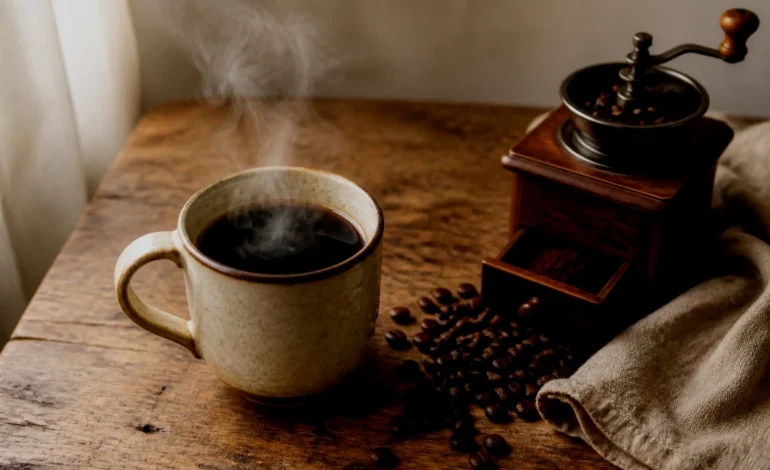
There is a small ritual hiding inside every great cup of coffee: whole beans meeting a grinder, hot water meeting fresh grounds, and a few patient minutes later, a cup that tastes the way coffee was always meant to taste. If you have ever wondered How Do You Make Coffee with Coffee Beans instead of reaching for a jar of pre-ground, this guide is for you. Making coffee from whole beans is not complicated — it is actually simpler than it looks, and the flavor payoff is enormous.
In this step-by-step guide, you will learn exactly how to make coffee with coffee beans: how to choose fresh beans, how to grind them to the right size, how much coffee to use, what water temperature works best, and how to brew with six popular methods — pour-over, French press, drip, moka pot, espresso, and cold brew. We will also cover the most common beginner mistakes, how to store your beans, and answers to the questions new coffee brewers ask most. By the end, you will be able to brew a genuinely great cup from scratch, no barista skills required.
Key Takeaways
- Fresh whole beans, ground right before brewing, taste dramatically better than pre-ground coffee.
- Match your grind size to your brewing method — it is the single most important dial for flavor.
- The golden ratio is about 1:16 — 1 gram of coffee for every 16 grams of water.
- Brew with water between 195–205°F (90–96°C); boiling water burns the coffee.
- Every method — from French press to pour-over — follows the same five basic steps.
Why Start with Whole Coffee Beans?
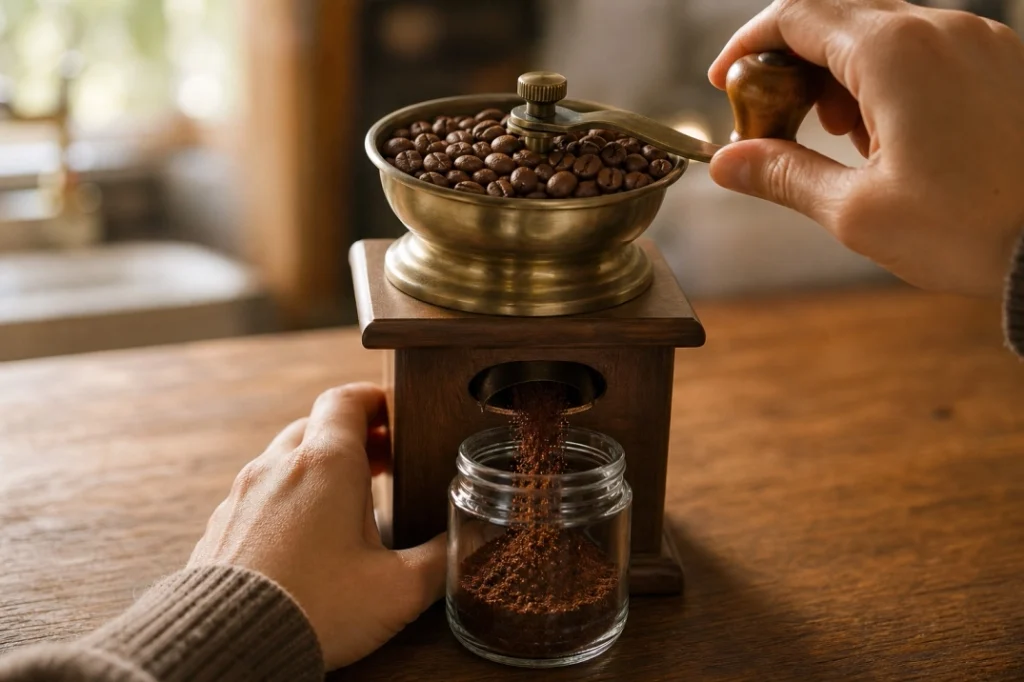
Whole coffee beans are a flavor vault. Inside each bean, hundreds of aromatic compounds are locked in, protected from the air until the moment you grind. The moment beans are ground, those compounds begin escaping: coffee starts losing its aroma within minutes, and pre-ground coffee can go noticeably stale within days — often before it even reaches your kitchen. Grinding whole beans right before brewing keeps every flavor note intact, and it is the single easiest upgrade you can make to your daily cup.
Whole beans also give you control. Pre-ground coffee is ground for “average” — one size that is meant to work with everything and nails nothing. When you grind your own beans, you can match the grind to your method: coarse for French press, fine for espresso, and somewhere in between for pour-over. That control is the difference between a flat, muddy cup and one that is bright, sweet, and complex.
Finally, whole beans let you choose. You can pick the origin (Ethiopia for fruity brightness, Brazil for nutty chocolate, Colombia for balanced sweetness), the roast level (light, medium, or dark), and the variety (Arabica for smoothness, Robusta for punch). Buying whole beans also usually means fresher stock — bags with a roast date rather than a “best before” date that tells you nothing.
What You Need to Make Coffee from Coffee Beans?
What You Need to Make Coffee from Coffee Beans
The good news: you do not need a barista’s arsenal. Here is the full equipment list, from essentials to nice-to-haves.
- Fresh whole coffee beans — look for a roast date within the last 2–4 weeks.
- A coffee grinder — a burr grinder gives consistent, even grounds; a blade grinder works in a pinch.
- A brewing device — pour-over dripper, French press, drip machine, moka pot, espresso machine, or a simple filter holder.
- A filter — paper or metal, depending on your method.
- A kettle — a gooseneck kettle is ideal for pour-over; any kettle works for other methods.
- A kitchen scale (recommended) — for consistent coffee-to-water ratios.
- A timer and a mug — and water, of course.
How to Make Coffee with Coffee Beans — Step by Step
Every brewing method is a variation on the same five steps. Master these, and you can brew great coffee on any equipment you own.
Step 1 — Choose Fresh, Quality Beans
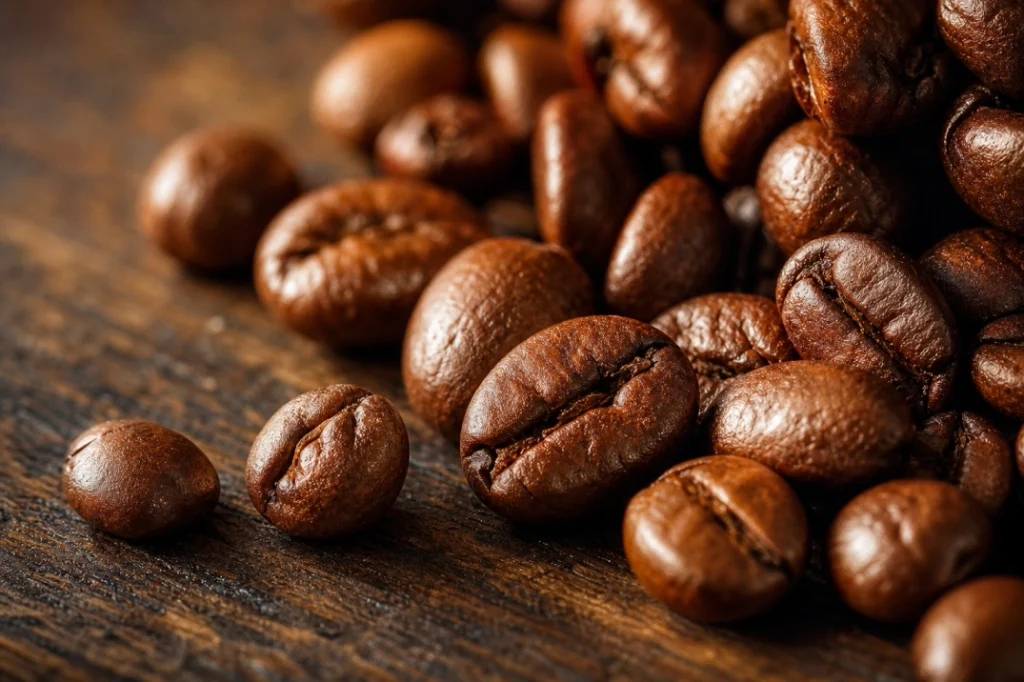
Start with whole beans that were roasted recently — ideally within the last two to four weeks. Look for a roast date on the bag; if there is no roast date, shop elsewhere or check the production date. For your first bags, a medium-roast Arabica is the most forgiving and flavorful choice: it balances sweetness and acidity without the harshness dark roasts can develop or the extreme brightness light roasts can show. Buy in small quantities — a 250 g (about 8 oz) bag is perfect for a week or two of daily brewing — so your beans are always fresh.
Step 2 — Grind the Beans to the Right Size
Grind right before you brew, and grind to the right size for your method. This is the most important variable after bean quality. As a rule: the finer the grind, the faster water extracts flavor — and the faster your coffee can turn bitter. The coarser the grind, the slower the extraction, which suits longer brew times. Use a burr grinder if you have one; it produces uniform particles, which means an even, balanced extraction. If you only have a blade grinder, pulse in short bursts and shake the grinder for a more even result.
| Brewing Method | Grind Size | Looks Like | Brew Time |
| Espresso | Extra fine | Powder / table salt | 25–30 seconds |
| Moka pot | Fine | Fine sand | 3–5 minutes |
| Pour-over / drip | Medium | Beach sand | 2.5–4 minutes |
| French press | Coarse | Breadcrumbs | 4 minutes |
| Cold brew | Extra coarse | Rock salt | 12–24 hours |
Step 3 — Measure the Coffee and Water
Consistency comes from measuring. The golden ratio for most methods is 1:16 by weight — 1 gram of coffee for every 16 grams of water. For a standard 250 ml (8.5 oz) mug, that is about 15 grams of coffee (roughly 2.5 tablespoons) to 250 ml of water. Feel free to adjust to taste: use more coffee (1:15) for a stronger cup, or less (1:17–1:18) for a lighter one. Weighing your coffee for a week will recalibrate your eye — after that, you can eyeball it more confidently.
Step 4 — Heat the Water to the Right Temperature
Water temperature shapes extraction. The sweet spot is 195–205°F (90–96°C) — just below boiling. Boiling water scorches the grounds and pulls out bitter compounds, while water that is too cool under-extracts and tastes sour and weak. No thermometer? Simply bring the kettle to a boil, wait 30–60 seconds, and pour. For cold brew, skip the heat entirely — cold water and time do the work.
Step 5 — Brew and Enjoy
Now the method-specific part begins — pour the water over your grounds (or steep them), wait the right amount of time, and enjoy your fresh cup. For pour-over, pour in a slow spiral; for French press, stir, steep for 4 minutes, and press. Drink it black first to appreciate the flavors, then add milk or sweetener to taste. Freshly ground coffee deserves at least one honest black sip.
The 6 Best Brewing Methods for Whole Beans
Different methods highlight different qualities of the same beans. Here is how to make coffee with coffee beans using the six most popular brewers.
1. Pour-Over (V60 or Chemex)
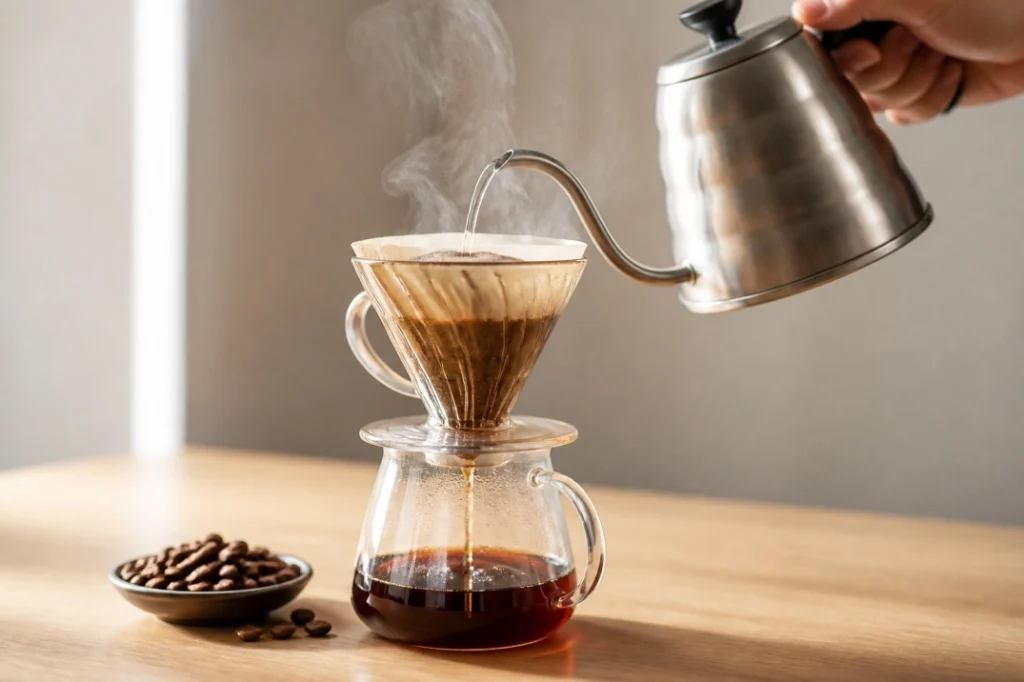
Pour-over gives the cleanest, most flavorful cup. Hot water is poured slowly over grounds in a paper filter, drawing out bright, sweet notes with very little bitterness or sediment. You need a dripper, paper filters, a gooseneck kettle (or a steady hand), and about three minutes. The classic recipe: 15 g of medium-ground coffee, 250 ml of water at 200°F (93°C), a 30-second bloom, then slow spiral pours. Total brew time: 2.5–3.5 minutes.
2. French Press
The French press is the easiest way to brew full-bodied, rich coffee with zero filters and very little skill. Coarse grounds steep directly in hot water for four minutes, then a mesh plunger separates them. The result is a heavier, oilier cup than pour-over — closer to what many people imagine as “real coffee.” Recipe: 15 g coarse grounds, 250 ml water at 200°F, steep 4 minutes, press slowly, and pour immediately so it does not keep extracting.
3. Drip Coffee Maker
The automatic drip machine is the set-and-forget option. The machine heats the water and drips it over medium-ground coffee in a paper filter. Results vary wildly between machines, but with fresh beans and a 1:16 ratio, even a basic model makes a decent pot. Use paper filters for a cleaner cup, and clean your machine regularly — old coffee oils make everything taste bitter.
4. Moka Pot
The moka pot is a stovetop classic that makes strong, espresso-like coffee for a fraction of the price. Water in the bottom chamber boils and pushes steam through fine grounds into the top chamber. It produces a concentrated brew perfect for milk drinks or a strong morning shot. Use fine grounds (slightly coarser than espresso), fill the basket level without tamping, and remove the pot from the heat as soon as it finishes brewing to avoid a burnt, bitter finish.
5. Espresso Machine
Espresso is the most concentrated brewing method — hot water is forced through very fine, tightly packed grounds under high pressure for 25–30 seconds. It yields a thick, crema-topped shot that is the base for lattes, cappuccinos, and Americanos. Espresso machines range from affordable manual lever models to fully automatic ones. Dialing in grind size, dose, and time takes practice, but the rewards are substantial for home espresso lovers.
6. Cold Brew
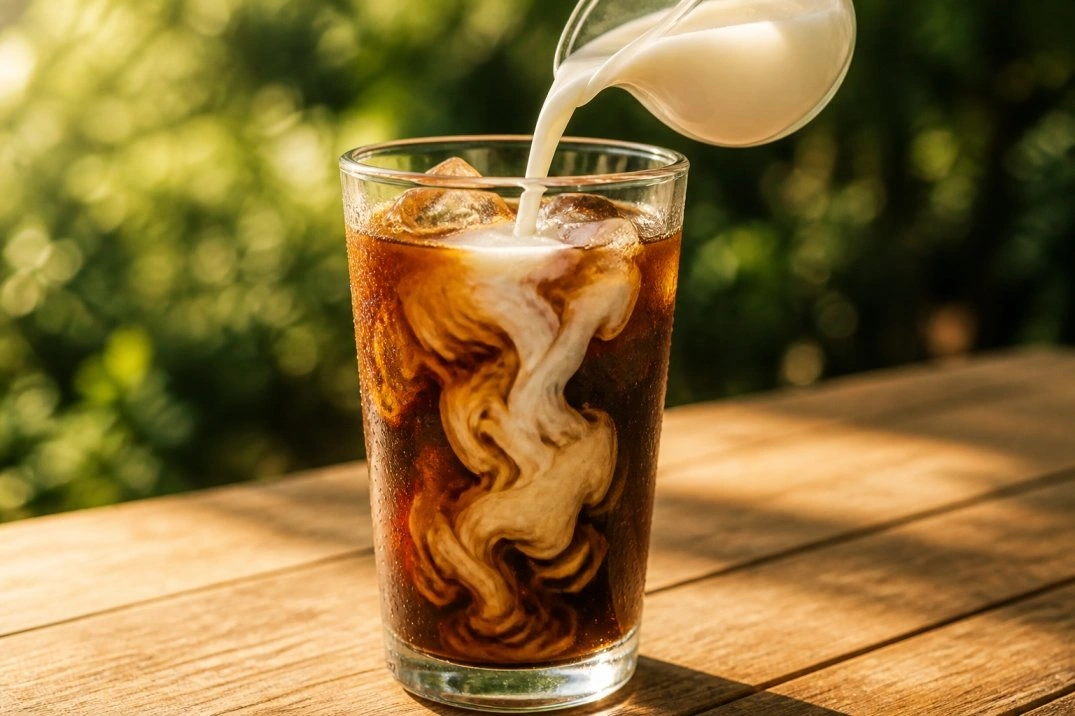
Cold brew trades heat for time: coarse grounds steep in cold water for 12–24 hours, producing a smooth, low-acid concentrate that tastes almost sweet. Mix it 1:1 or 1:2 with water or milk over ice. It is the most forgiving method — no temperature control, no timing pressure, just patience. A simple recipe: 100 g coarse grounds, 1 liter of cold water, steep 16 hours in the fridge, then filter twice.
| Method | Brew Time | Body | Best For |
| Pour-over | 2.5–4 min | Clean, light | Flavor clarity |
| French press | 4 min | Full, rich | Ease and body |
| Drip machine | 5–6 min | Medium | Large batches |
| Moka pot | 3–5 min | Strong | Espresso-like at home |
| Espresso | 25–30 sec | Concentrated | Milk drinks |
| Cold brew | 12–24 h | Smooth, low acid | Iced coffee, batch prep |
7 Common Mistakes Beginners Make (and How to Avoid Them)
- Using stale or pre-ground coffee — flavor starts with freshness; grind whole beans right before brewing.
- Grinding too fine or too coarse — the wrong grind for your method means bitter or sour coffee; use the grind table above.
- Brewing with boiling water — it over-extracts and burns the grounds; wait 30–60 seconds after boiling.
- Guessing the amount — inconsistent coffee-to-water ratios make inconsistent cups; a small kitchen scale fixes this.
- Storing beans badly — sun, heat, air, and moisture kill freshness fast; see the storage section below.
- Skipping the bloom — for pour-over, a 30-second pause after the first pour lets gases escape and improves extraction.
- Using dirty equipment — old coffee oils and scale ruin even the best beans; rinse your gear after every use.
How to Store Coffee Beans So They Stay Fresh
Coffee beans have three enemies: air, light, and heat (and a fourth, moisture). Store beans in an airtight, opaque container in a cool, dark cupboard — not on the counter in the sun, and not in the fridge. The fridge is tempting, but the moisture and smells of your refrigerator will degrade the beans; the freezer works only for long-term storage in an airtight bag, with beans used straight from frozen and never repeatedly thawed.
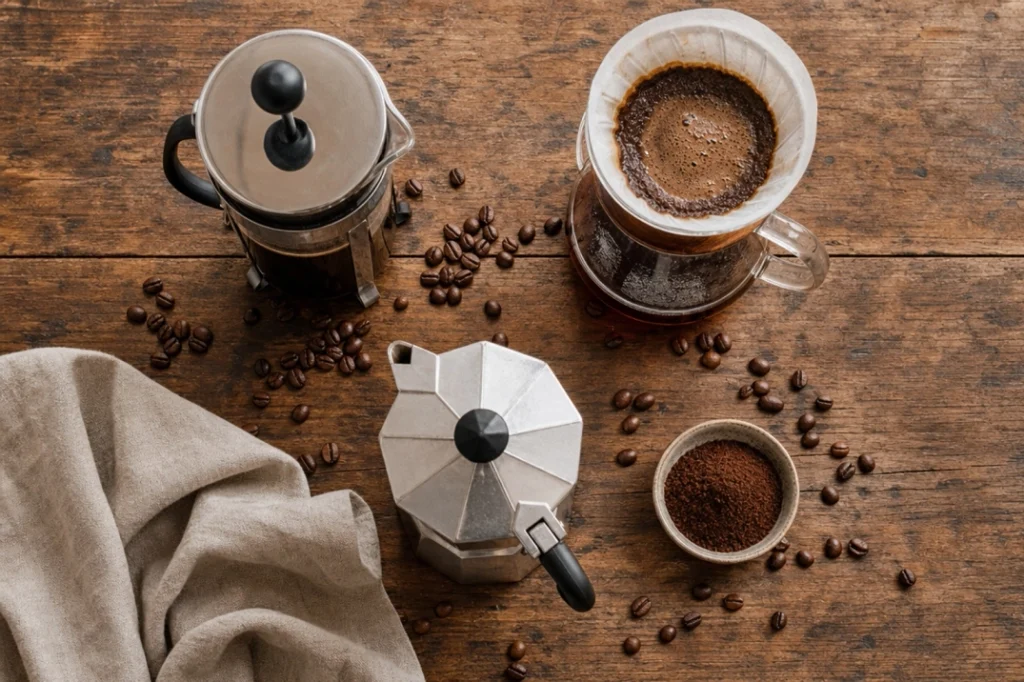
Buy in small batches and grind only what you need. Whole beans stay at their best for about two to four weeks after the roast date; ground coffee, for only days. If your coffee has lost its aroma and tastes flat or stale, freshness is the first suspect — buy fresher beans and grind them yourself.
Frequently Asked Questions
Can you make coffee with coffee beans without a grinder?
Yes. If you do not have a grinder, use a blender, food processor, or mortar and pestle in short pulses for an improvised grind — it will be uneven but usable. You can also crush beans in a sealed plastic bag with a rolling pin or the bottom of a heavy pan. The easiest workaround is to have the shop grind the beans for you, but specify your brewing method and use them within a week or two.
How many coffee beans are in a cup of coffee?
A typical 250 ml (8.5 oz) cup uses about 15 grams of coffee, which is roughly 90–110 beans depending on their size (an average roasted Arabica bean weighs around 0.15 g). Counting once is a fun party fact, but a scale is far faster and more consistent.
What is the best grind size for coffee beans?
There is no single best grind — it depends on your method. Extra fine for espresso, fine for moka pot, medium for pour-over and drip, coarse for French press, and extra coarse for cold brew. When in doubt, start medium and adjust: bitter means grind coarser; sour and weak means grind finer.
How long do whole coffee beans stay fresh?
Whole beans are at their peak from about 4 days to 4 weeks after the roast date. After that, they lose aroma and flavor gradually. Stored properly in an airtight container away from light and heat, they remain drinkable longer, but fresh is always better — buy small and often.
Why does my coffee taste bitter?
Bitterness is almost always over-extraction: water too hot, grind too fine, or brew time too long. Try cooler water (195–205°F), a coarser grind, or a shorter brew time — one of these will usually fix it. Stale beans and dirty equipment are the other usual suspects.
Is making coffee from whole beans cheaper?
Usually, yes. Whole beans cost about the same per pound as ground coffee, but because they stay fresh longer and taste better, you waste less — and a fresh bag of specialty beans beats a stale jar of pre-ground every time. Over a year of daily brewing, the savings from skipping café coffee dwarf the one-time equipment cost.
Final Thoughts
Learning how to make coffee with coffee beans comes down to five habits: buy fresh whole beans, grind them right before brewing, match the grind to your method, use about 1 part coffee to 16 parts water, and brew with water just below boiling. Everything else — the fancy kettles, the rare origins, the micro-adjustments — is fine-tuning on top of those fundamentals.
Pick one method from this guide, make your first cup today, and taste the difference for yourself. Then experiment: change one variable at a time and take notes. Within a few weeks, you will brew coffee that rivals your favorite café — and you will never want to go back to pre-ground.
Related Topics : How to Make Coffee Taste Less Bitter Without Sugar
Related Topics : Can Decaf Coffee Keep You Awake?
3 Comments
[…] Related Topics : How Do You Make Coffee With Coffee Beans […]
[…] Related Topic : How Do You Make Coffee With Coffee Beans […]
[…] Related Article : How Do You Make Coffee with Coffee Beans? […]