How to Make Coffee Taste Less Bitter Without Sugar (11 Proven Ways)
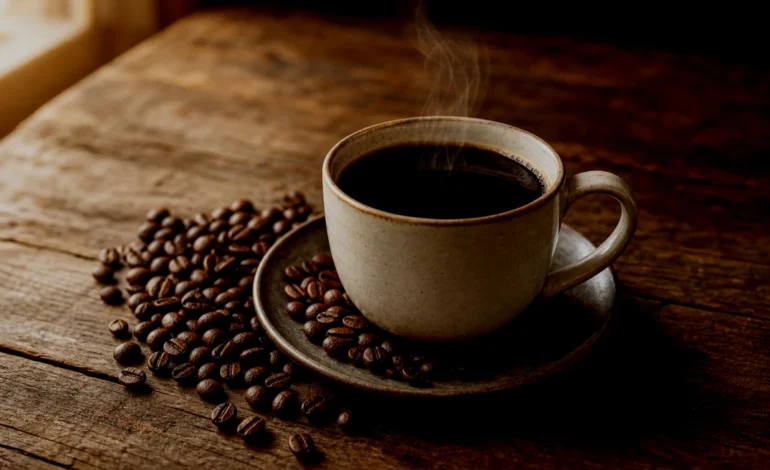
If your morning cup tastes more like ash than ambrosia, you are not alone. Bitterness is the number one reason people reach for the sugar bowl — and the number one reason they give up on black coffee altogether. The good news? Sugar was never the real solution. It only masks the problem.
The truth is that bitterness is almost always a brewing problem, not a coffee problem. With the right beans, the right grind size, and a few simple tricks, you can learn how to make coffee taste less bitter without sugar — and enjoy a cup that is naturally sweet, smooth, and rich enough to drink black. In this guide, you will learn exactly why coffee turns bitter and the eleven fixes that actually work, ranked from zero-effort tweaks to flavor-changing techniques.
Key Takeaways
- Bitterness usually comes from over-extraction — grinding too fine, brewing too hot, or steeping too long — not from bad coffee.
- Medium or light roasts, coarser grinds, water below boiling, and shorter brew times all reduce bitter compounds.
- A pinch of salt and natural additions like cinnamon, vanilla, or cocoa smooth out harsh notes without a grain of sugar.
- Cold brew and milk or oat milk are the fastest fixes for an instantly smoother, sweeter-tasting cup.

Why Does Coffee Taste Bitter? The Science in Your Cup
Before you can fix a bitter cup, it helps to understand where the bitterness comes from. Coffee contains hundreds of flavor compounds, and a handful of them register as bitter on your palate: caffeine, chlorogenic acids, and the lactones that form when those acids break down during roasting.
Here is the key insight: bitterness is not evenly distributed in the bean — it is extracted over time. When hot water meets ground coffee, it first pulls out the bright, sweet, fruity acids. Leave the water in contact with the grounds too long, use water that is too hot, or grind the beans too fine, and you start extracting the harsher, more astringent compounds. That is over-extraction, and it is responsible for most bitter cups you will ever drink.
The silver lining: because bitterness is an extraction problem, it is a problem you can control. Every fix below works by either extracting fewer bitter compounds in the first place or balancing them once they are in the cup.
It also helps to know what the opposite problem tastes like. Under-extracted coffee — ground too coarse or brewed too quickly — tastes sour, thin, and sharp rather than bitter. The goal is the sweet spot in between, where the balance of acids, sugars, and bitter compounds produces a cup that is complex and pleasant. When a coffee tastes simply strong and harsh, you are almost certainly over-extracting; when it tastes sharp and acidic, your extraction is running short. Learning to recognize that difference will tell you exactly which dial to turn.
How to Make Coffee Taste Less Bitter Without Sugar — 11 Fixes That Actually Work
1. Choose a Lighter or Medium Roast
Roast level is the single biggest flavor decision you will make. Dark roasts are roasted longer, which destroys the delicate acids that give coffee its natural sweetness and creates bitter, smoky compounds in their place. Medium and light roasts preserve more of that sweetness and acidity, which makes them taste smoother and noticeably less bitter in the cup. If bitterness is your enemy, skip the bags labeled French roast or espresso roast and reach for a medium or light roast instead.
2. Buy Fresh, Whole Beans from a Smooth-Origin Region
Freshness matters more than most people realize. Pre-ground coffee stales within days, and stale coffee tastes flat, dull, and harsh — a bitterness no amount of sugar can fix. Buy whole beans roasted within the last few weeks, grind them right before brewing, and look for beans from regions famous for smooth, low-bitter profiles such as Brazil, Sumatra, and Central America. Also check the label: Arabica beans are naturally lower in bitter compounds than Robusta, so a 100% Arabica bag is usually the smoother choice.
3. Adjust Your Grind Size
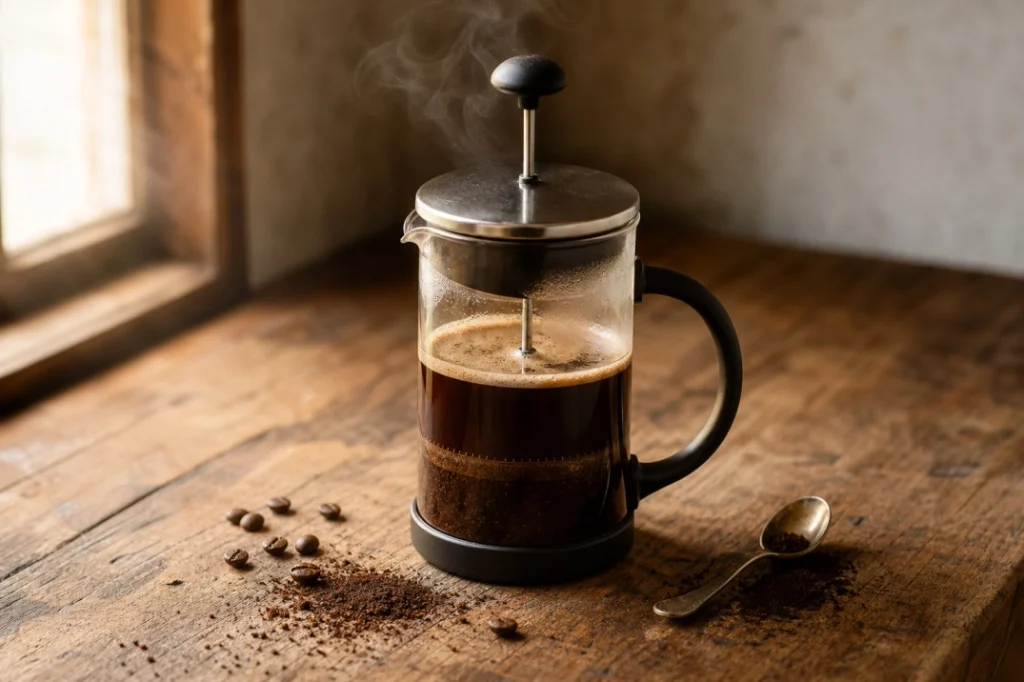
If your coffee tastes bitter, the first place to look is your grinder. Finer grounds expose more surface area, so water extracts from them faster — and too fine a grind is one of the fastest routes to over-extraction. If your drip or pour-over tastes harsh, grind coarser and try again. As a rule of thumb, aim for a medium-coarse grind for drip and pour-over, a coarse grind for French press, and a fine-but-consistent grind for espresso. Consistency matters too: uneven grounds create bitter and sour pockets in the same cup, so a decent burr grinder beats a blade grinder every time.
4. Drop Your Water Temperature
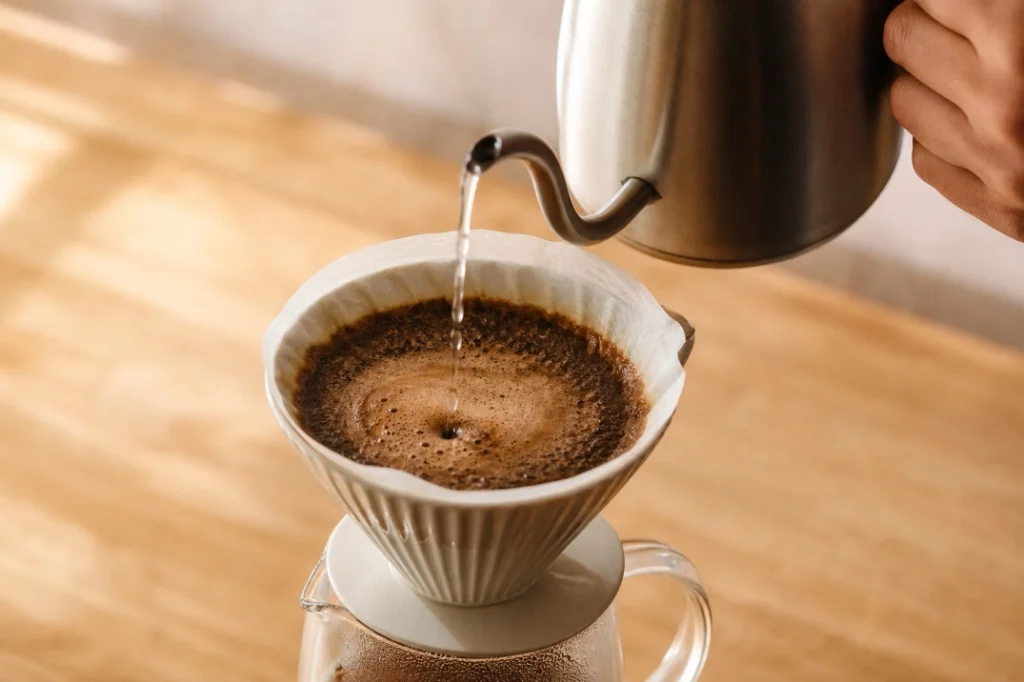
Boiling water is coffee’s worst enemy. Water that is too hot extracts bitter compounds aggressively — most bitter cups are brewed well above the ideal range of 195–205°F (90–96°C). If you do not own a temperature-controlled kettle, simply let your kettle rest for 30–60 seconds after it boils before pouring. It sounds almost too simple, but lowering your water temperature is one of the most effective ways to make coffee taste less bitter without sugar.
5. Use Clean, Filtered Water
Your coffee is about 98% water, so the water you brew with genuinely changes the taste. Hard, mineral-heavy water extracts more aggressively and can amplify bitterness, while distilled water produces a flat, lifeless cup. Filtered water with balanced minerals is the sweet spot — it lets the coffee’s natural sweetness come through instead of fighting it. If your tap water is hard or heavily chlorinated, switching to filtered water alone can transform your morning cup.
6. Shorten the Brew Time
Time is the other half of the extraction equation. Leave coffee steeping too long and it will inevitably turn bitter — this is why a French press left to sit for ten minutes tastes harsh and astringent. Use a timer and stick to proven windows: about 4 minutes for French press, 2.5–3.5 minutes for pour-over, and 25–30 seconds for espresso. If your current brew tastes bitter, simply shorten the brew time by 30 seconds and taste the difference — the improvement is often immediate.
7. Fix Your Coffee-to-Water Ratio
Too much coffee relative to water produces a concentrated, overwhelming brew that reads as bitter. The specialty-coffee standard is a 1:15 to 1:18 ratio by weight — that is 1 gram of coffee for every 15–18 grams of water. For a typical mug, that means about 15 grams (roughly 2 tablespoons) of coffee to 250–300 ml of water. If you have been eyeballing a heaping scoop, weighing your coffee for a few days will recalibrate your taste buds.
8. Add a Pinch of Salt
The most surprising fix on this list is also one of the most effective. A tiny pinch of salt — just a few grains, about ⅛ teaspoon per pot — reduces perceived bitterness without making your coffee taste salty. Sodium ions interfere with the way your tongue registers bitter flavors, which is why salt has been used for generations to tame bitterness in everything from chocolate to grapefruit. Try it once in a cup you already find bitter, and you will be amazed at how smooth it becomes. Just remember: a pinch, not a shake.
9. Stir In Natural Flavor Without Sugar
If you crave sweetness but want to skip sugar, you do not need artificial sweeteners. A few pantry staples balance bitterness with their own natural flavor:
- Cinnamon — a quarter teaspoon adds a sweet, warming aroma that rounds out bitter edges.
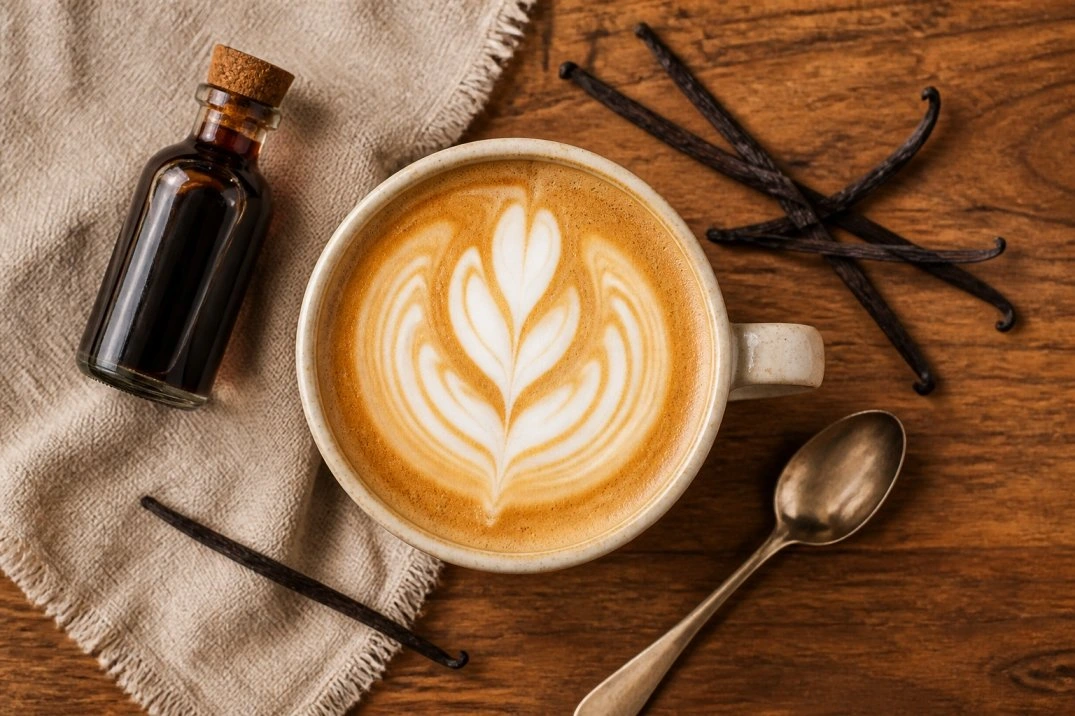
- Vanilla extract — two or three drops add a soft, dessert-like sweetness without a single calorie.
- Unsweetened cocoa powder — a teaspoon adds richness that masks bitterness and brings antioxidants to the party.
- Cardamom or nutmeg — a pinch adds aromatic complexity that distracts from harsh notes.
- Stevia or monk fruit — plant-based, zero-calorie sweeteners for genuinely sweet coffee without sugar.
Experiment with one addition at a time so you can tell what each one does. Most coffee drinkers find that cinnamon or vanilla alone is enough to make sugar completely unnecessary.
10. Switch to Cold Brew
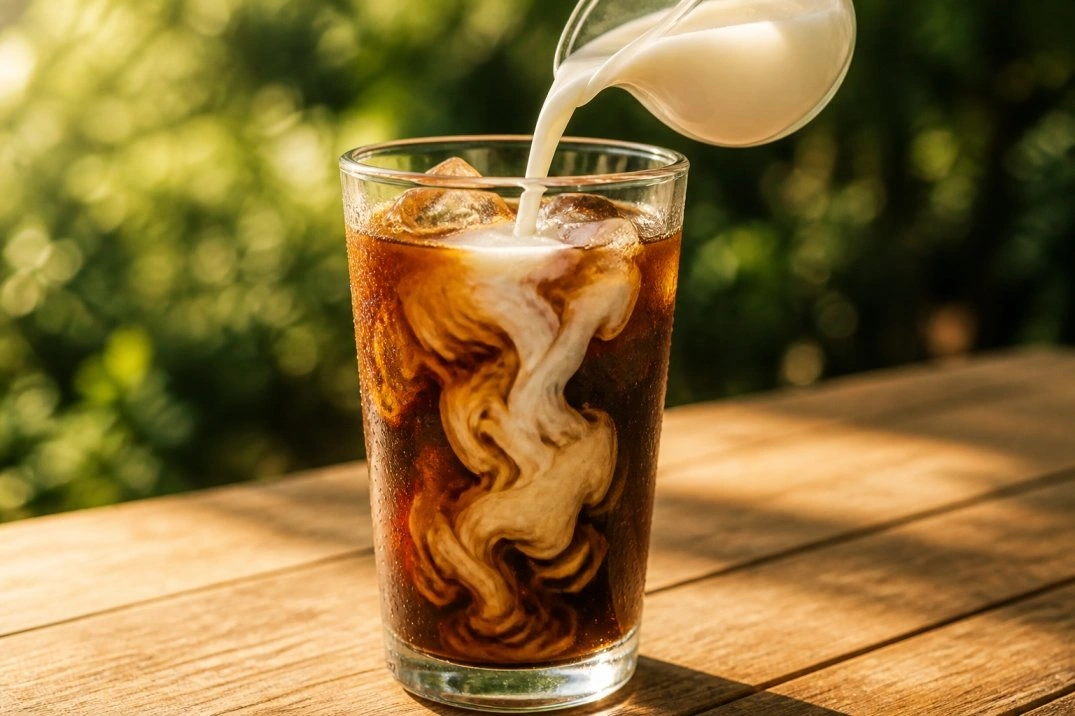
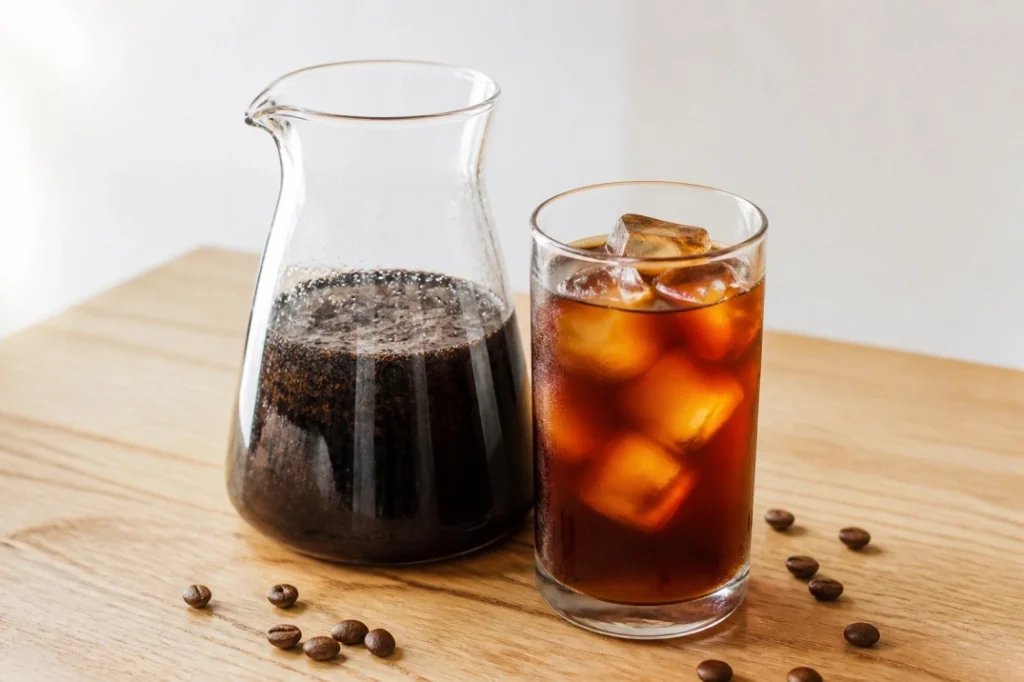
Cold brew deserves its reputation as the smoothest coffee on earth. Because it is brewed with cold water over 12–24 hours, it extracts far fewer bitter and astringent compounds — research has repeatedly shown that cold brew is significantly less bitter and less acidic than hot-brewed coffee. The result is a naturally sweet, chocolatey concentrate that is smooth enough to drink black. Steep coarse grounds in cold water overnight, strain it in the morning, and you have several days’ worth of bitter-free coffee waiting in the fridge.
11. Add Milk or a Dairy-Free Alternative
When all else fails, fat is your friend. The proteins and fats in milk bind with bitter compounds, effectively hiding them from your taste buds — and they do it without a gram of sugar. A splash of whole milk, cream, oat milk, or almond milk transforms a harsh cup into a creamy, balanced one. Oat milk is a particularly good pick because it is naturally slightly sweet, while coconut milk adds richness with a gentle tropical note. This is the classic barista trick, and it works at home too.
A 5-Minute Rescue Plan for an Already-Bitter Cup
Already poured a bitter cup and have no time to re-brew? Rescue it in five minutes with these in-cup fixes, none of which involve sugar:
- Add a pinch of salt — the fastest way to blunt bitterness in a finished cup.
- Stir in a splash of milk or oat milk — the fat instantly rounds out harsh edges.
- Drop in an ice cube or two — cooling the coffee softens the harsh bite and turns it into a light iced coffee.
- Add a dash of cinnamon or vanilla — a little aroma goes a long way toward balancing a bitter brew.
These tricks will not fix a fundamentally over-extracted brew, but they will get you through the mug — and they prove that smoothness rarely requires a spoonful of sugar.
Quick Reference: Bitterness Fixes at a Glance
Keep this table handy the next time your coffee comes out harsh. Each fix lists how it works and how much effort it takes.
| Fix | How It Works | Effort |
| Medium or light roast | Fewer bitter compounds created in roasting | Easy |
| Fresh whole beans | No stale, dull harshness | Easy |
| Coarser grind | Less over-extraction | Easy |
| Cooler water (195–205°F) | Gentler extraction | Easy |
| Filtered water | Balanced minerals, cleaner flavor | Medium |
| Shorter brew time | Less bitter compound extraction | Easy |
| Correct ratio (1:15–1:18) | Balanced strength, no harsh concentration | Medium |
| Pinch of salt | Blocks bitter taste receptors | Free |
| Cinnamon / vanilla / cocoa | Natural sweetness and balance | Easy |
| Cold brew | Dramatically less bitter extraction | Medium |
| Milk or oat milk | Fat binds bitter compounds | Easy |
Frequently Asked Questions
Does salt really make coffee less bitter?
Yes. A few grains of salt — about ⅛ teaspoon per pot — reduce perceived bitterness by interfering with your tongue’s bitter-taste receptors. It will not make your coffee taste salty, and it is one of the fastest, cheapest fixes in this guide.
Why does my coffee taste bitter even when I add sugar?
Sugar masks bitterness but does not remove it. If your coffee is over-extracted — ground too fine, brewed too hot, or steeped too long — it will taste bitter no matter how much you sweeten it. Fix the brewing first with a coarser grind, cooler water, and a shorter brew time, and you may not need any sweetener at all.
Does adding milk make coffee less bitter without sugar?
Yes. Milk proteins and fats bind with bitter compounds so your palate registers them less. Whole milk and cream work best; among plant-based options, oat milk’s natural sweetness makes it a top choice for smoothing out a bitter cup.
Is cold brew less bitter than hot coffee?
Generally, yes. Cold water extracts fewer bitter and astringent compounds over its long steeping time, which is why cold brew tastes smoother, sweeter, and less acidic than most hot-brewed coffee — even when served black.
What is the best natural way to sweeten coffee without sugar?
For real sweetness, stevia and monk fruit are plant-based, zero-calorie options that dissolve cleanly in hot coffee. For flavor that feels sweet, cinnamon, vanilla extract, and a touch of unsweetened cocoa are the most popular additions — they balance bitterness with aroma and richness rather than raw sugar.
Why does my coffee get more bitter as it cools?
Two things happen: some bitter compounds become easier to perceive as the temperature drops, and if your coffee sits on a hot plate or gets reheated, it keeps extracting and degrading, intensifying harsh flavors. Brew fresh, drink within 20–30 minutes, and skip reheating for the smoothest experience.
The Bottom Line
You do not need sugar to enjoy great coffee — you need better brewing. Start with the highest-impact fixes: a medium roast, freshly ground beans, a coarser grind, and water below boiling. Then layer on the tricks — a pinch of salt, a dash of cinnamon, or an overnight cold brew — until your cup tastes exactly the way you want it to.
Learning how to make coffee taste less bitter without sugar is not about complicated equipment or exotic ingredients. It is about understanding what causes bitterness in the first place and making small, deliberate adjustments until your coffee tastes naturally sweet. Try one fix at a time, taste as you go, and within a week you will wonder why you ever needed the sugar bowl.
Related Topics : Can Decaf Coffee Keep You Awake?
Related Topics : How to Prepare Coffee Using a French Press

3 Comments
[…] Related Topics : How to Make Coffee Taste Less Bitter Without Sugar […]
[…] Related Topic : How to Make Coffee Taste Less Bitter Without Sugar […]
[…] Related Article : How to Make Coffee Taste Less Bitter Without Sugar […]