How Many Cups of Coffee in 12 oz Bag? The Complete Guide
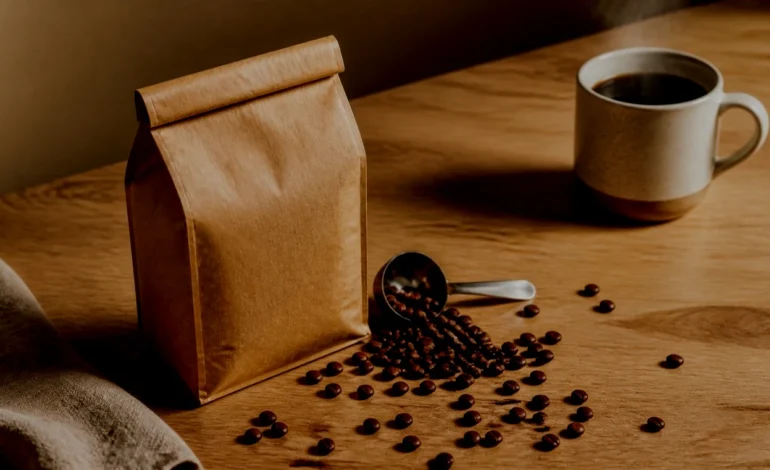
You just brought home a fresh 12 oz bag of your favorite roast, and now the question hits you: How Many Cups of Coffee in 12 oz Bag? Maybe you’re trying to figure out whether the bag will last the week, comparing the price per cup between your local roaster and the supermarket shelf, or just planning your caffeine budget. Whatever the reason, you want a straight answer — not a lecture on coffee chemistry.
Here it is: a 12 oz bag of coffee typically makes between 17 and 24 cups, depending on how big your cups are and how strong you brew it. Brew it the standard way and an 8 oz cup of coffee is the most common measuring stick, putting most bags right around two dozen cups.
But “it depends” isn’t the satisfying part of the answer. The useful part is understanding exactly why the number moves, so you can predict your own cup count down to the last pour. In this guide, we’ll break down the math, show you tables for cup size and brewing method, and give you a simple formula you can use to calculate the yield of any bag of coffee — not just a 12 oz one.
How Many Cups of Coffee in 12 oz Bag?
The Short Answer: 17 to 24 Cups (Mostly)
If you brew using the Specialty Coffee Association’s golden ratio — roughly 1 part coffee to 16 to 18 parts water — a 12 oz bag (about 340 grams) shakes out like this:
- About 30 to 34 small 6 oz cups
- About 23 to 26 standard 8 oz cups
- About 15 to 17 large 12 oz mugs
- About 11 to 13 sixteen-ounce travel mugs
The “17 to 24 cups” figure you see quoted across coffee blogs and roaster sites covers the most common American drinking patterns: a standard 8 oz cup at a slightly stronger ratio on one end, and a 12 oz mug on the other. Brew milder and you push toward the top of the range; brew stronger and you slide down it.
There’s one big source of confusion hiding in that answer, though, and it’s worth clearing up now: the “cup” in coffee is not always the cup you drink out of.
- Your drip coffee maker’s “cup” markings usually equal 5 to 6 fluid ounces — the old coffee-industry standard.
- A “cup” in nutrition labeling and most recipes means 8 fluid ounces.
- The mug on your desk is often 12 to 16 ounces — or more.
So when someone says a 12 oz bag makes “20 cups,” they might mean 20 six-ounce coffee-maker cups, 20 eight-ounce mugs, or something in between. The math only feels inconsistent until you pin down the cup size. Let’s pin it down.
The Math: Why a 12 oz Bag Makes What It Makes
The numbers aren’t magic — they’re just weight and water. Here’s the breakdown.
Step 1: Know your bag. A 12 oz bag holds 12 ounces of coffee by weight, which is about 340 grams. (One ounce equals 28.35 grams, so 12 × 28.35 = 340.2 g.)
Step 2: Pick a ratio. The golden ratio used by the Specialty Coffee Association is 1:16 to 1:18 — one gram of coffee for every 16 to 18 grams (milliliters) of water. Stronger coffee sits at 1:15; lighter, more tea-like brews drift past 1:18.
Step 3: Do the multiplication.
- At 1:16: 340 g × 16 = 5,440 ml of water, which is about 184 fluid ounces of brewed coffee.
- At 1:18: 340 g × 18 = 6,120 ml, which is about 207 fluid ounces.
Step 4: Divide by your cup size. If your mug holds 8 oz, you get 184 ÷ 8 = 23 cups at the stronger end, and 207 ÷ 8 ≈ 26 cups at the milder end. That’s your 23 to 26 cup range for standard 8 oz servings.
Now let’s look at the tablespoon version, because that’s how most Americans actually measure. A level tablespoon of ground coffee weighs roughly 5 to 7 grams, depending on how fine the grind is. That means a 12 oz bag contains somewhere around 49 to 68 tablespoons of coffee. Brew with the classic recipe of 2 tablespoons per 8 oz cup, and you land between 24 and 34 cups — which tells you why the quoted ranges vary so much from site to site. Weighing your coffee instead of scooping it removes most of that guesswork, and it’s the single best upgrade you can make to your morning routine.
How Cup Size Changes the Count
Cup size is the biggest variable in the whole equation — bigger than your brewing method, your beans, or even your ratio. Here’s how the same 12 oz bag plays out across the cup sizes Americans actually drink from, using the golden ratio (1:16 to 1:18):
| Cup Size | Fluid Ounces | Cups From a 12 oz Bag |
| Small cup / coffee-maker cup | 6 oz | 30–34 |
| Standard cup / diner mug | 8 oz | 23–26 |
| Large mug | 12 oz | 15–17 |
| Travel mug | 16 oz | 11–13 |
| XL tumbler | 20 oz | 9–10 |
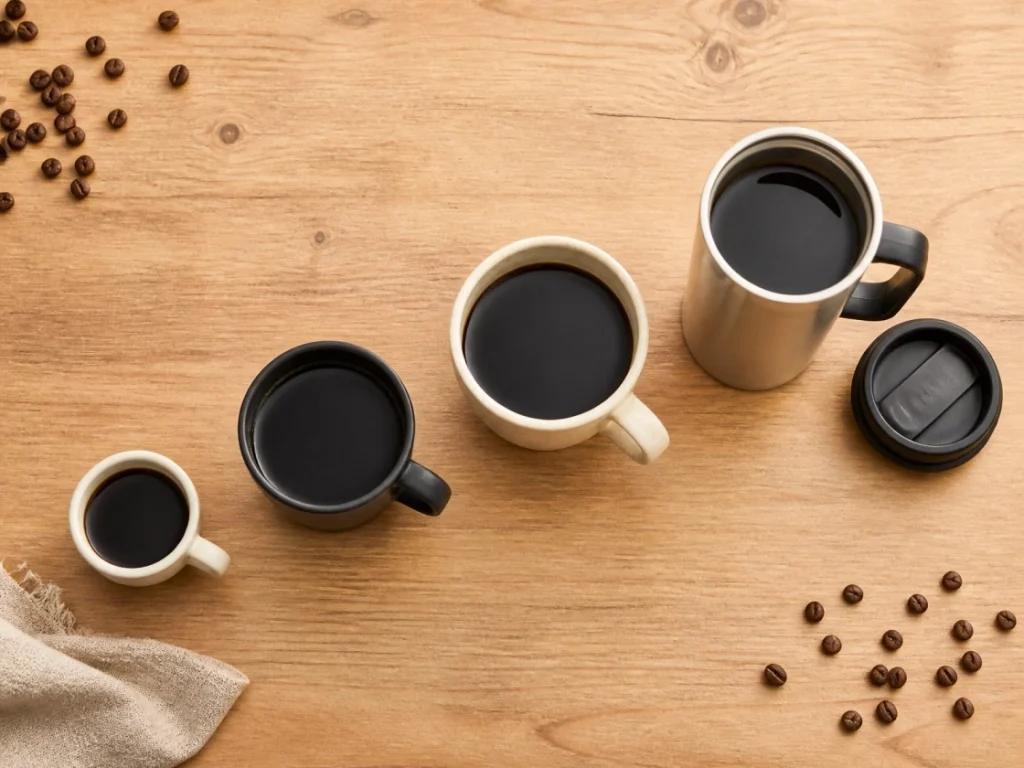
A few things jump out from this table. First, if you drink out of a 20 oz tumbler — and a lot of commuters do — a 12 oz bag only covers about nine to ten mornings. Second, the difference between a small 6 oz cup and a 12 oz mug is enormous: the same bag that makes 30+ small cups becomes just 15 or 16 large ones. That’s why two people can disagree about “how many cups are in a 12 oz bag” and both be right.
The practical takeaway: measure your actual mug once (fill it with water and pour it into a measuring cup — takes ten seconds), then use that number in the formula below. You’ll never guess again.
How Your Brewing Method Affects the Yield
Your brewing method changes the yield in two ways: how much coffee you use per serving, and whether the brew gets diluted afterward. Here’s how the common methods stack up with a 12 oz bag, in approximate 8 oz cup equivalents:
| Brewing Method | Approx. Servings From a 12 oz Bag |
| Drip coffee maker | 23–26 cups |
| Pour-over | 23–26 cups |
| French press | 20–24 cups |
| Cold brew (concentrate, diluted 1:1) | 20–25 tall glasses |
| Espresso | 17–19 double shots (~34–38 singles) |
| Moka pot / stovetop | 25–30 small cups |
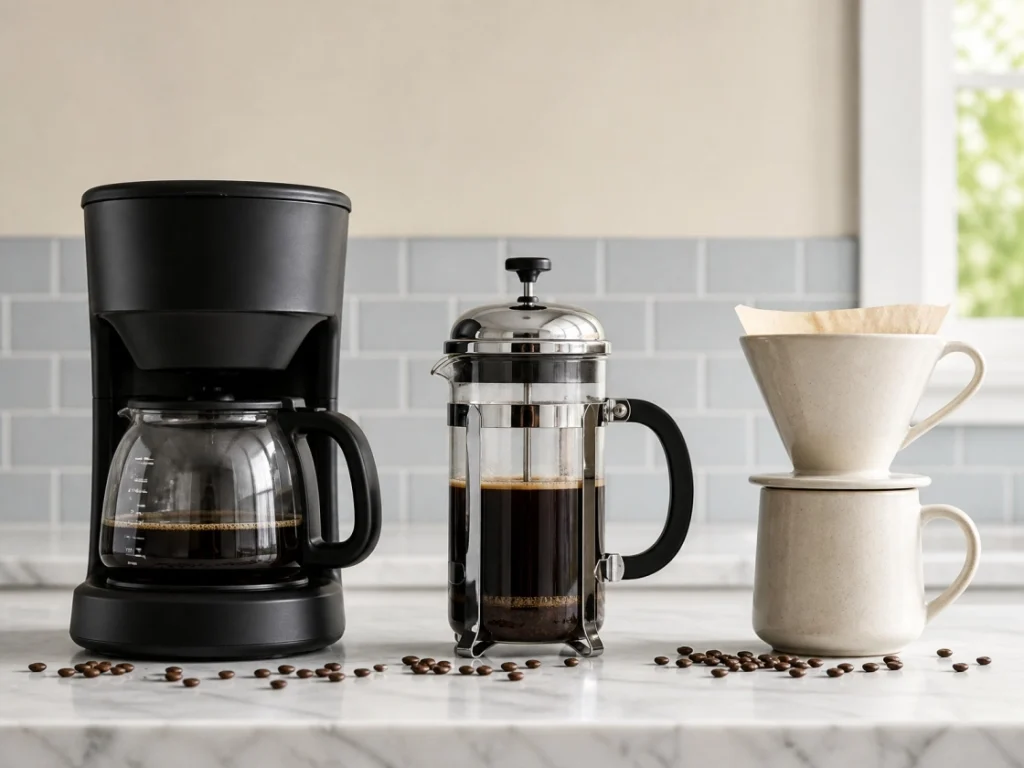
Why the spread? Drip and pour-over use roughly the same 1:16 to 1:18 ratio, so their yields match. French press fans often dose a bit heavier — more coffee per cup — which nudges the count down. Cold brew works differently: you brew a strong concentrate and then dilute it with water or milk, so the same coffee stretches further. Espresso is the outlier because the serving is small and concentrated: a standard double shot uses 17 to 20 grams of coffee, which is why a 12 oz bag turns into only about 17 to 19 doubles.
One more note on espresso machines and grinders: if you’re weighing your doses (and you should be), you’ll notice a few grams of coffee get “lost” to grinder retention and the occasional spilled scoop. It’s a small effect — a couple of cups over a whole bag — but it’s part of why real-world counts are never perfectly round.
Five More Factors That Change the Number
Beyond cup size and method, these variables quietly shift your cup count:
- Strength preference. Your coffee-to-water ratio is the biggest lever you control. A bold 1:15 brew squeezes fewer cups out of the bag; a milder 1:18 stretches it. There’s no “wrong” ratio — just know that stronger means fewer cups.
- Whole bean vs. ground. By weight, whole beans and ground coffee make the same number of cups — 340 grams is 340 grams. By volume, they don’t: grounds take up more space than whole beans, so a scoop of ground coffee weighs less than a scoop of beans. If you measure by scoop, switching between the two quietly changes your cup count.
- Roast level and bean density. Dark roasts are less dense than light roasts because roasting drives off moisture and expands the bean. A tablespoon of dark roast weighs less than a tablespoon of light roast. Measured by weight, the bag is identical; measured by scoop, dark roasts “go further” per scoop (and vice versa).
- Your scoop, exactly. A level tablespoon and a heaping tablespoon can differ by 3 to 4 grams. Over 50 scoops, that’s the difference between 25 cups and 30 cups. Weigh your scoop once, with the beans you actually drink, and you’ll know your personal number forever.
- Grind size. Fine grinds pack more grams into a scoop than coarse grinds, because the particles settle tighter. If you switch from a coarse French press grind to a fine espresso grind, your scoop-based math changes even though your bag doesn’t.
The theme here: every variable that moves your cup count is really a variable in your grams-per-cup. Control the grams, and you control the answer.
How to Calculate Cups Per Bag for Your Exact Setup
You don’t need to be a spreadsheet person to figure this out — it’s one line of math. Here’s the formula:
Cups per bag = (340 × your ratio) ÷ your cup size in fluid ounces
Walk through it with an example. Say you brew at a 1:17 ratio and drink from a 12 oz mug:
- Multiply: 340 × 17 = 5,780 ml of water.
- Convert: 5,780 ml ÷ 29.57 ≈ 195 fluid ounces.
- Divide: 195 ÷ 12 = about 16 cups from one bag.
Want the no-calculator version? Two rules of thumb:
- Standard 8 oz cups: plan on 23 to 26 cups at golden-ratio strength.
- Anything bigger: divide your mug size by 8 and scale down — a 16 oz travel mug gives you roughly half the 8 oz count, so about 11 to 13.
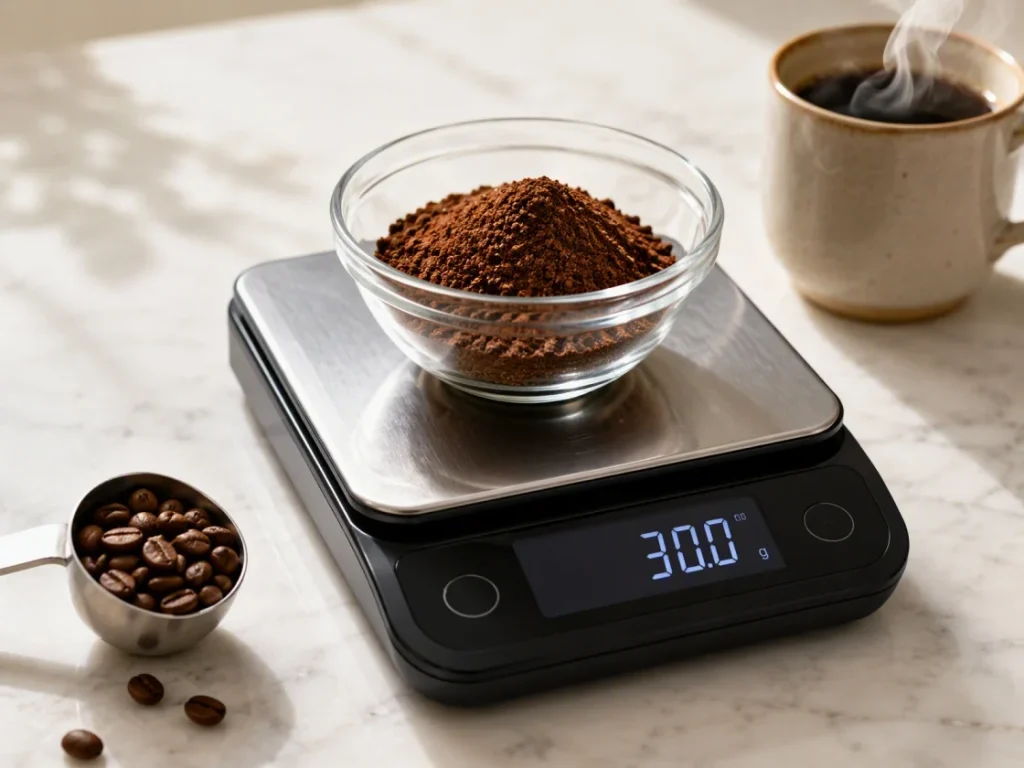
A $15 to $25 digital kitchen scale makes the whole process painless, and it pays for itself fast. Weigh 20 grams of coffee, add 320 to 360 grams of water (16 to 18 times the coffee), and you’ve brewed exactly to the golden ratio — no scoops, no guesswork, and a predictable cup count every single time.
Why Do Coffee Bags Come in 12 oz Anyway?
You might be wondering: why isn’t the standard bag a full pound? It’s a fair question, because 12 oz is ¾ of a pound — an odd size at first glance.
The short version: freshness. Coffee is at its aromatic peak for only a few weeks after roasting, and most households drink 1 to 2 cups a day. A 12 oz bag lasts that typical household about two to three weeks — right inside the freshness window. A full 16 oz pound often goes stale before it’s finished, especially for single-cup drinkers. Specialty roasters moved to 12 oz as the default partly for this reason, and the size has become the industry standard for premium coffee.
It also makes price comparisons easier if you know the trick. To compare two bags fairly, always convert to price per ounce: a $20 bag of 12 oz coffee costs about $1.67 per ounce; a $24 bag of 16 oz costs $1.50 per ounce. The bigger bag looks more expensive but is actually the better deal per cup — useful to remember the next time you’re standing in the coffee aisle.
How Long Will a 12 oz Bag Last You?
Using the standard 8 oz cup math (23 to 26 cups per bag), here’s how long a 12 oz bag lasts at common consumption levels:
- 1 cup per day: 23 to 26 days — about three and a half weeks
- 2 cups per day: 12 to 13 days — about two weeks
- 3 cups per day: 8 to 9 days — about a week and a half
- 4+ cups per day (or big travel mugs): under a week
There’s a freshness angle here, too. Whole beans are best between about one and three weeks after their roast date, which is why roasters print it on the bag. Ground coffee loses aroma much faster — think days, not weeks. If your household drinks slowly, buy whole beans and grind as you go; if you’re drinking a bag in under two weeks, you’re living the ideal freshness scenario.
8 Easy Ways to Make a 12 oz Bag Go Further
You don’t have to drink weaker coffee to stretch your bag — you just have to brew smarter. These eight habits will get you more consistent cups (and often more of them) out of every bag:
- Weigh your coffee. The #1 fix. A scale eliminates the 30% swing between level and heaping scoops.
- Start at the golden ratio, then adjust. Brew 1:17, taste it, and move 1 gram at a time until it’s perfect for you.
- Match your grind to your brewer. Coarse for French press and cold brew, medium for drip, fine for espresso and moka pot. Wrong grind = wasted coffee.
- Store beans properly. Airtight container, cool dark cupboard. Skip the fridge — it’s humid and absorbs odors. Freeze only whole beans, in an airtight bag, for long-term storage.
- Buy whole bean, grind fresh. You’ll get more flavor per gram, and better flavor means you’re less tempted to over-dose.
- Try cold brew in warm months. The diluted concentrate stretches one bag into 20+ tall glasses of iced coffee.
- Calibrate your scoop once. Weigh one level scoop of your usual beans and write the number on the bag. You’ll know your personal grams-per-cup forever.
- Track your cups. Two weeks of paying attention tells you exactly how often to reorder — no more running out, and no more stale bags sitting in the cupboard.
Frequently Asked Questions
How many tablespoons of coffee are in a 12 oz bag?
About 49 to 68 level tablespoons, depending on the grind. A level tablespoon of ground coffee weighs 5 to 7 grams, so a 340-gram bag contains roughly 49 to 68 tablespoons total.
Is a 12 oz bag of coffee a pound?
No. A 12 oz bag is ¾ of a pound (16 oz). Specialty roasters commonly sell 12 oz bags for freshness — a full pound often goes stale before a typical household finishes it.
Does ground coffee make the same number of cups as whole bean?
By weight, yes — a 12 oz bag is 340 grams either way. By volume, no: ground coffee takes up more space per gram, so scoop-based recipes differ between whole bean and ground.
How long does a 12 oz bag of coffee stay fresh?
Whole beans stay at their best for two to four weeks after the roast date; ground coffee degrades much faster, in days to a couple of weeks. Store both in an airtight container in a cool, dark place.
How many K-Cups is a 12 oz bag equal to?
A typical K-Cup contains 9 to 12 grams of coffee, so a 12 oz (340 g) bag is roughly equivalent to 28 to 38 K-Cups’ worth of coffee — usually at a much lower cost per cup.
Final Thoughts
So, how many cups of coffee in a 12 oz bag? The honest answer is “it depends” — but the useful answer is right here: count on about 23 to 26 standard 8 oz cups at golden-ratio strength, and scale up or down from there based on your mug size. If you drink from a 12 oz mug, budget for 15 to 17 cups; if you’re a travel-mug person, expect 11 to 13.
The fastest way to make the answer precise for your kitchen is a $20 kitchen scale and two minutes of math — after that, you’ll never wonder again. And whether you’re stretching a budget, planning a coffee subscription, or just trying to make the bag last until payday, knowing your cups-per-bag number is the one piece of coffee math that pays off every single morning.
Happy brewing!
Related Topics : How Do You Make Coffee With Coffee Beans
2 Comments
[…] Related Articles : How Many Cups of Coffee in 12 oz Bag […]
[…] Related Article : How Many Cups of Coffee in 12 oz Bag? […]