Can You Put Hot Coffee in a Glass Cup? Never Crack a Cup Again

There is something special about a glass cup of coffee. You can see the rich, deep color of the brew. You can watch the steam rise. It makes your morning coffee feel a little more fancy, like something from a coffee shop. But before you pour, a question pops into your head: Can You Put Hot Coffee in a Glass Cup?
The simple answer is Yes, you can. Millions of Americans enjoy hot coffee from glass mugs every single day. But there is a catch. Not every glass cup is made to handle heat. Some will crack or even shatter when hot coffee touches them. The good news? You can easily tell which glass is safe and which one is not. This guide will show you exactly how to enjoy hot coffee in a glass cup without any worry.

The Short Answer: Yes — With the Right Glass
Let’s get right to it. Yes, you can put hot coffee in a glass cup, but only if the glass is heat-safe. Think of it this way: some glasses are built for hot drinks, and some are not.
Glass cups made from strong, heat-resistant glass — like borosilicate glass — handle hot coffee with no problem at all. These are the kind used in labs, in fancy coffee shops, and in high-quality glass mugs sold in the USA. On the other hand, thin, cheap glass cups — the kind you might grab at a dollar store or receive as a free promo item — are risky. They may crack the moment hot coffee hits them.
The rest of this guide explains the difference in simple, so you never have to guess again.
Why Do Some Glass Cups Crack? Meet Thermal Shock
To understand why glass sometimes breaks, you need to know about something called thermal shock. Don’t worry — it sounds fancy, but it’s really simple.
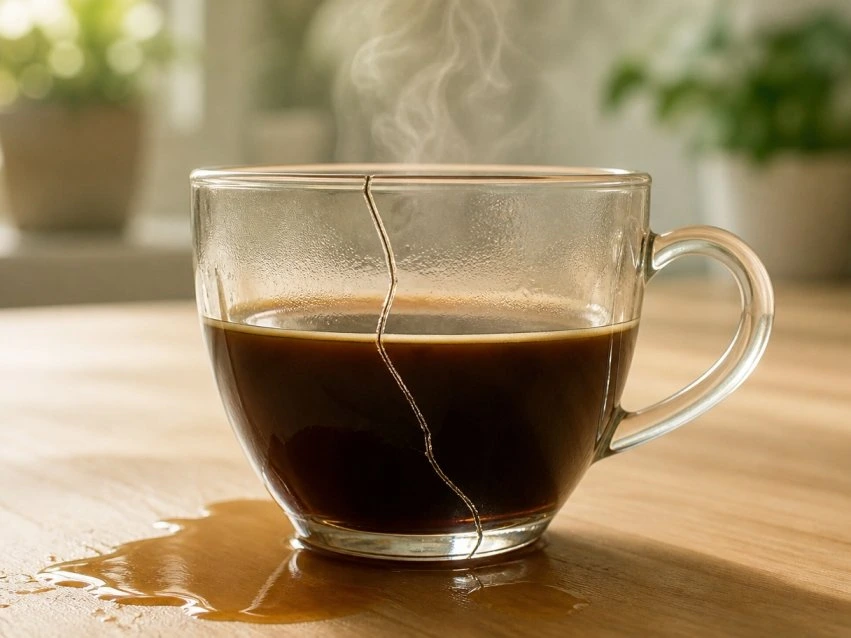
Thermal shock is what happens when a material gets a sudden, big change in temperature. Glass expands when it gets hot and shrinks when it gets cold. That’s normal. The problem starts when one part of the glass changes temperature faster than another part.
Picture this: you pour boiling-hot coffee into a cold glass cup. The inside of the glass heats up fast and starts to expand. But the outside of the glass is still cool and hasn’t expanded yet. The inside is pushing outward while the outside is holding tight. That fight creates stress inside the glass. If the stress gets too strong, the glass cracks — sometimes with a loud pop.
That’s why you’ll often hear a glass cup “tick” or “pop” right after hot liquid is poured in. That sound is the glass stretching under pressure. A cup made of heat-resistant glass can handle that stretch. A regular thin glass cup cannot.
The fix is easy: warm the glass first and use the right kind of glass. We’ll cover both in a moment.
The Two Main Types of Glass in Coffee Cups
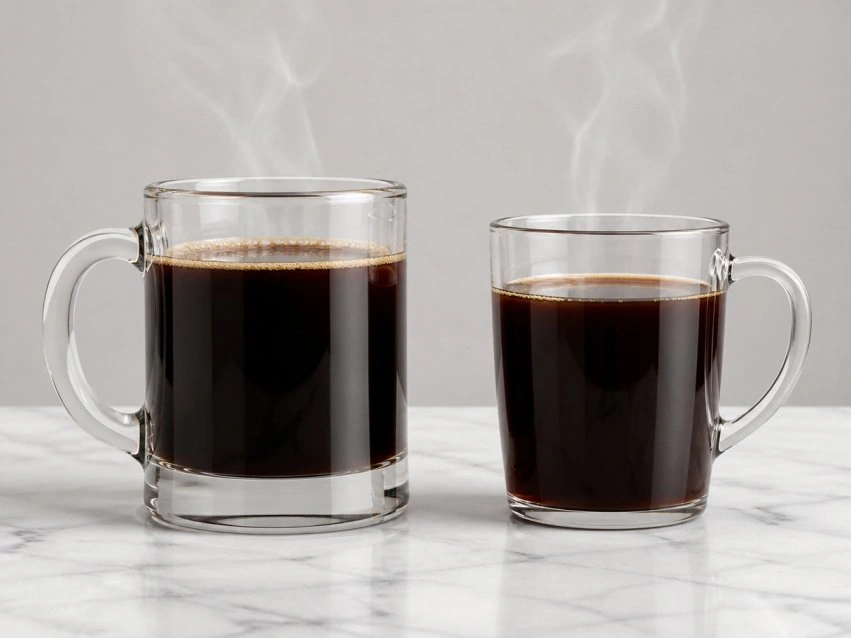
Not all glass is the same. If you flip over your glass cup, you might see a stamp or a label that tells you what kind it is. Here are the two types you’ll find most often.
Borosilicate Glass — The Best Choice for Hot Coffee
Borosilicate glass is the superstar of the glass world. It’s the same kind of glass used in science labs and in famous oven-safe cookware. This glass contains a special ingredient (boron) that makes it handle big temperature swings without breaking.
You can pour boiling water straight into a borosilicate glass cup and it will be just fine. It barely expands when heated, so thermal shock is rarely a problem. If you want a glass cup for hot coffee, this is the type to look for. Many glass mugs sold in the USA are made of borosilicate glass, and they often say so right on the box or the bottom of the cup.
Soda-Lime Glass — Common, But Risky for Heat
Soda-lime glass is the most common type of glass in the world. Windows, jars, and most everyday drinking glasses are made from it. It’s cheap to make, which is why it’s everywhere.
The problem? Soda-lime glass expands more when it heats up. That means it’s much more likely to crack under thermal shock. A thick soda-lime glass jar can handle hot liquids because the thickness spreads the stress. But a thin soda-lime glass cup? It’s a gamble every time you pour.
Tempered Glass — Strong, But Not Unbreakable
There’s also tempered glass, which is regular glass that has been treated with heat and quick cooling to make it much stronger. Some coffee cups and double-wall glass mugs are made from tempered glass. It’s tougher than normal glass and handles heat better. But even tempered glass can break if the temperature change is sudden enough, so the safety steps in this guide still apply.
How to Tell If Your Glass Cup Is Safe for Hot Coffee
You don’t need to be a glass expert to know if your cup is safe. Here are a few simple checks you can do in less than a minute.
Look at the bottom of the cup. Many heat-safe glass cups have a stamp on the bottom. Look for words like “heat resistant,” “borosilicate,” “oven safe,” or “microwave safe.” If you see any of these, you’re good to go.
Check the thickness. Thicker glass handles heat better than thin glass. If you can see light through a very thin cup and it feels delicate, treat it with caution.
Think about where it came from. Glass mugs bought from kitchen stores, coffee brands, and specialty shops are usually made for hot drinks. Free promotional glasses, cheap multi-packs, and decorative glasses are often not.
Do a warm-up test. Not sure? Don’t risk it with boiling water. First, rinse the cup with warm tap water. Then pour in warm water and let it sit for a minute. If the cup feels fine, slowly move up to hotter water. This gentle test tells you a lot about how the glass handles heat.
Step-by-Step: How to Pour Hot Coffee into a Glass Cup Safely
Even with the right glass, a few simple habits make your cups last much longer. Follow these steps and you’ll enjoy glass-cup coffee for years.
- Warm the cup first. This is the single most important step. Rinse your glass cup with warm water, or pour a little hot water in and swirl it around. Dump it out, then add your coffee. Warming the glass means there’s no sudden temperature jump, so there’s no thermal shock.
- Don’t use boiling water. Coffee brews best at around 195 to 205 degrees Fahrenheit anyway. Boiling water at 212 degrees is hotter than it needs to be, and it’s harder on your glass. Let your kettle sit for 30 seconds after it boils, or use a temperature-setting kettle.
- Pour slowly, into the center. A fast, aggressive pour hits the glass harder. Pour gently and aim for the middle of the cup, not the sides. Slow and steady is the way.
- Avoid cold surfaces. Don’t set a hot glass cup on a cold, wet counter, a cold metal table, or directly on an icy windowsill. The sudden chill on the bottom can crack the glass. Use a coaster or a dry, room-temperature surface.
- Be careful with cold milk. If you like milk in your coffee, add it slowly, or warm the milk a little first. A big splash of ice-cold milk into a hot glass cup creates a mini thermal shock inside the glass.
- Let it rest before you hold it. Glass gets hot! Give your cup a minute or two before grabbing it. Double-wall glass mugs stay cool on the outside, but single-wall glass cups can get too hot to hold comfortably.
What Temperature Is Too Hot for a Glass Cup?
Most coffee lovers brew between 195 and 205 degrees Fahrenheit. For a heat-safe glass cup — borosilicate or tempered — this temperature is no problem at all. You could even pour near-boiling water into a borosilicate cup without trouble.
Regular soda-lime glass is where you need to be careful. It can usually handle hot coffee if the glass is thick and the temperature change is gradual. The risk goes up when the liquid is close to boiling or when the glass starts out cold.
Here’s a simple rule of thumb: if the cup is labeled heat-safe, pour away. If it’s not labeled and the glass feels thin, treat it like it might break and warm it up first. When in doubt, use a different cup.

Common Mistakes That Break Glass Cups
People don’t usually break their glass cups on purpose. It happens by accident, usually from one of these mistakes:
- Pouring boiling water into a cold glass. This is the #1 way cups crack. Always warm the glass first.
- Putting a hot cup on a cold surface. A cold countertop or wet granite can shock the bottom of the glass.
- Adding ice or frozen milk to hot coffee. Big temperature swings inside the cup stress the glass.
- Microwaving the wrong glass. Some glass is microwave-safe, and some absolutely is not. Check the label.
- Rinsing a hot cup with cold water. Right after you finish your coffee, the glass is still warm. Rinsing it with cold tap water is a classic way to crack it. Let the cup cool down first.
- Bumping or stacking. Glass cups with small hairline cracks from heat stress can break later from a tiny bump. If you see a crack, stop using the cup.
Glass vs. Ceramic vs. Stainless Steel: Which One Wins?
So should you switch to glass, or stick with what you have? Here’s an honest comparison.
Ceramic mugs are the classic American coffee cup. They hold heat the longest, so your coffee stays hot for a full morning. They’re sturdy, come in every color you can imagine, and are easy to clean. The downside? You can’t see your coffee, and they’re heavier than glass.
Stainless steel cups are the travel champions. Double-wall steel keeps drinks hot for hours, survives drops, and never breaks. They’re perfect for commutes and camping. The downside? Some people say steel changes the taste slightly, and you definitely can’t see the coffee.
Glass cups are the show-offs. They look gorgeous, they don’t change the taste at all, and double-wall glass mugs keep coffee warm while staying cool to the touch. The downsides? Single-wall glass doesn’t hold heat as long as ceramic, and glass can break if you drop it.
So which is best? It depends on your day. For slow weekend mornings, a glass cup makes your coffee feel special. For keeping coffee hot all morning, ceramic wins. For the car or the office, stainless steel is king. Many coffee lovers keep all three in the cabinet and pick based on the moment.
Can You Microwave a Glass Cup?
The answer depends on the glass. Borosilicate glass and tempered glass are usually microwave-safe. You’ll often see a microwave-safe symbol on the bottom of the cup to confirm it.
Thin soda-lime glass and decorative glasses with metallic paint or gold trim are not microwave-safe. The trim can spark, and the glass can crack from uneven heating.
Not sure about your cup? Try this safe test: fill the cup halfway with water and microwave it for 30 seconds. If the cup feels hot while the water stays cool, the glass is absorbing the microwave energy, and you shouldn’t use it. If the water heats up and the cup stays warm but not hot, it’s fine.
How to Clean and Care for Your Glass Coffee Cup?
Glass cups are easy to care for if you follow a few simple rules.
Hand wash for best results. Dishwashers blast cups with hot water and strong detergents, and the sudden temperature changes can weaken glass over time. A quick hand wash with warm soapy water is gentler and keeps your cup looking new.
Let it cool before cleaning. Never rinse a hot glass cup with cold water. Give it a few minutes to cool down first. This one habit prevents most accidental cracks.
Avoid rough scrubbers. Steel wool and abrasive pads can scratch the glass, leaving tiny weak spots. Use a soft sponge or a bottle brush instead.
Dry it gently. Set your cup on a soft towel to air dry. Avoid placing a warm glass cup directly on a cold metal drying rack.
Check for damage. Before each use, look at your cup in the light. Small chips and hairline cracks mean it’s time to retire that cup. Glass with damage is far more likely to break under heat.
Frequently Asked Questions
Can You Put Hot Coffee in a Glass Cup?
Yes, you can, as long as the cup is made of heat-safe glass like borosilicate or tempered glass. Warm the cup first and pour slowly to keep the glass happy.
Can you put boiling water in a glass cup?
You can put boiling water in borosilicate and tempered glass cups safely. For regular thin glass, boiling water is risky and can crack the cup. Always warm the glass first if you’re not sure.
Why do glass cups crack when you pour hot coffee?
Glass cracks from thermal Shock. The inside of the cup heats up and expands faster than the outside, creating stress in the glass. If the stress is too much, the glass breaks.
What kind of glass cup is safe for hot drinks?
Borosilicate glass is the best choice for hot drinks. Tempered glass is also good. Look for cups labeled “heat resistant” or “borosilicate” on the bottom.
Is it safe to drink hot coffee from a glass mug?
Yes, it’s completely safe. Glass doesn’t leak chemicals into your coffee like some plastics can, and it doesn’t change the taste. Heat-safe glass mugs are used by coffee shops all over the USA.
Can I put hot coffee in a mason jar?
A thick mason jar can handle hot coffee, but it’s not ideal. Mason jars are made of soda-lime glass, so they can crack under sudden temperature changes. Warm the jar first and pour slowly if you try it. A proper glass coffee mug is a safer choice.
Final Thoughts
So, can you put hot coffee in a glass cup? Absolutely — if you pick the right glass and treat it with a little care.
Choose borosilicate or tempered glass for worry-free hot coffee. Warm your cup before pouring. Pour slowly and avoid sudden temperature changes, from cold milk to cold countertops. Follow those simple rules, and your glass cup will serve you beautiful, tasty coffee for years.
There’s a reason glass cups are the favorite of coffee shops everywhere. The coffee looks amazing, tastes pure, and feels special in your hands. With the tips in this guide, you can bring that coffee-shop feeling straight to your own kitchen. So go ahead — grab your favorite glass mug, brew a fresh cup, and enjoy every sip.
Happy Brewing!
Related Article : How Many Cups of Coffee in 12 oz Bag?
4 Comments
[…] Related Article : Can You Put Hot Coffee in a Glass Cup? […]
[…] Related Article : Can You Put Hot Coffee in a Glass Cup? […]
[…] Related Article : Can You Put Hot Coffee in a Glass Cup? […]
[…] Related Article : Can You Put Hot Coffee in a Glass Cup? […]