If you have ever stood in the coffee aisle at the grocery store, you have one question in mind “Is There a Difference Between Coffee Beans and Espresso Beans?” On one shelf sits a bag labeled “Espresso Beans.” Right next to it sits a bag labeled “House Blend.” They look almost the same. The prices are close. So what is the actual difference?
It is one of the most common questions coffee drinkers ask. And the answer might surprise you. In this guide, we will break it all down in detail. No coffee snob talk. No confusing terms. Just the facts you need to make the right choice for your cup.
The Short Answer: Are They Different?
Here is the short version, and we will explain every part of it below.
There is no such thing as a special espresso plant. Espresso beans are simply coffee beans that have been roasted in a certain way. The big difference is the roast. Espresso beans are usually roasted darker, and they are picked and blended to work well under the high pressure of an espresso machine.
In other words: every espresso bean is a coffee bean, but not every coffee bean is an espresso bean. The difference is not the bean itself. It is how the bean is roasted and how you brew it.
What Are Coffee Beans?
Let us start at the very beginning.
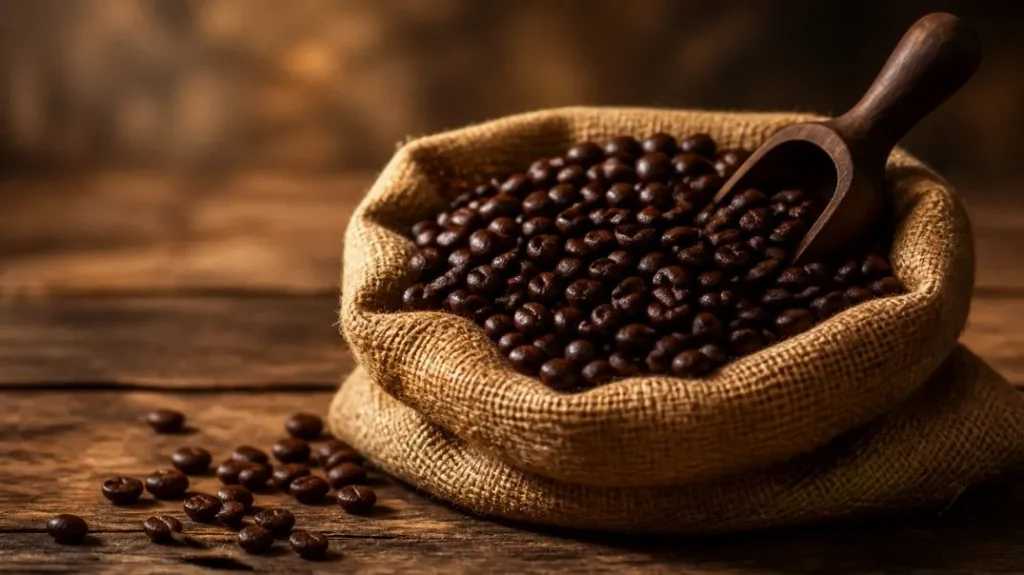
Coffee beans are the seeds of the coffee cherry, a small red fruit that grows on coffee plants. The world grows two main types of coffee:
Arabica – known for a smoother, sweeter taste with notes of fruit and sugar. It makes up most of the specialty coffee sold in the United States.
Robusta – known for a stronger, bolder, more bitter taste. It has about double the caffeine of Arabica and is often used in blends to add body and crema.
After the cherries are picked, the beans inside are dried, sorted, and shipped around the world. Roasters then heat them to bring out the flavor. The longer and hotter the roast, the darker the bean becomes.
“Regular” coffee beans are usually roasted light or medium. They keep more of their natural flavors, like fruit, flowers, and sweetness. Think of a light roast as fresh fruit and a dark roast as deep caramel or dark chocolate. Neither is better than the other. It just comes down to what you like.
What Are Espresso Beans?
Espresso beans are not a different species. They are not grown on a special farm. They are the same Arabica and Robusta beans you find in any coffee bag.
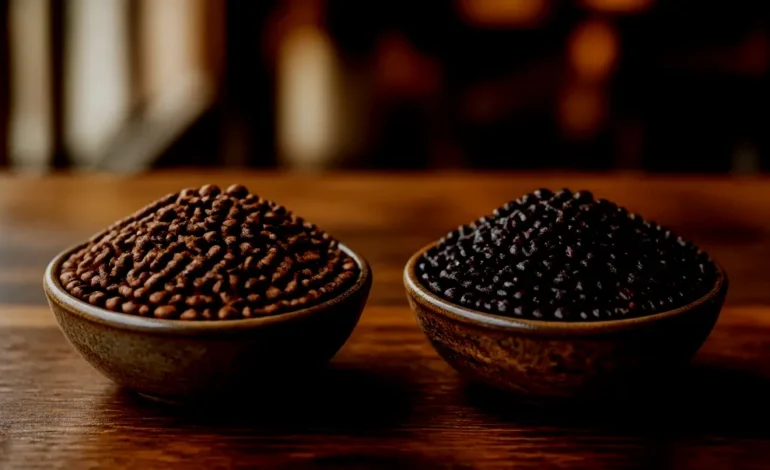
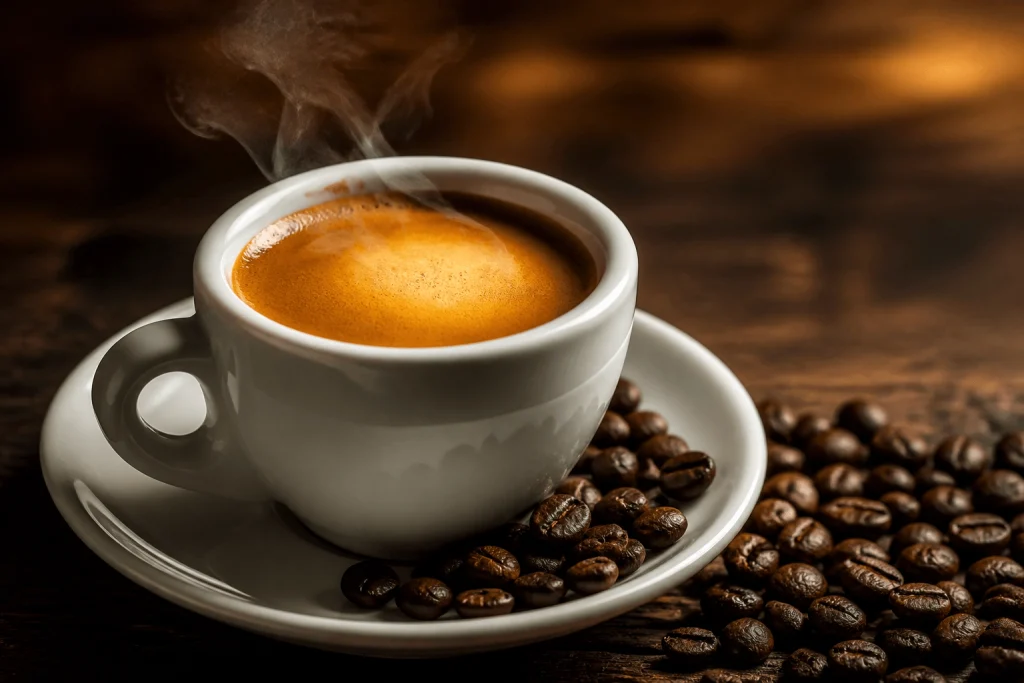
The real difference happens in the roasting room. Espresso beans are almost always roasted dark. The roaster pushes the beans past the medium stage into a deep, oily, rich roast. This does two important things:
1. It brings out bold, heavy flavors. You get notes of chocolate, caramel, nuts, and toasted sugar instead of bright fruit and flowers.
2. It makes the beans easier to grind finely. Dark roasts are slightly less dense, so they crush into the very fine powder that espresso needs.
Many roasters also create espresso as a blend. They mix beans from different farms or countries to hit a consistent taste every time. The goal is a cup that tastes the same today, next week, and next year. Single-origin coffee, on the other hand, comes from one place and can change with each season.
So if you buy a bag labeled “Espresso,” you are buying coffee beans that were roasted dark and blended to shine in an espresso machine.
Same Plant, Different Roast
This is the heart of the whole question, so let us spend a moment on it.
Picture two batches of beans from the exact same farm. Same plant, same harvest, same week. One batch is roasted for 10 minutes at a medium temperature. The other is roasted for 14 minutes at a higher temperature.
You now have two completely different bags of coffee, even though they came from the same plant. The first tastes bright and fruity. The second tastes deep and chocolatey. One might be sold as a “Breakfast Blend.” The other might be sold as “Espresso.”
That is the whole secret. Roast level is what separates espresso beans from regular coffee beans. It is not the plant. It is not the country. It is not magic. It is heat and time.
Espresso Beans vs Coffee Beans: Quick Comparison
| What We Compare | Regular Coffee Beans | Espresso Beans |
| — | — | — |
| What they are | The same coffee seeds, roasted light to medium | The same seeds, roasted dark |
| Roast level | Light or medium | Dark, often oily on the surface |
| Flavor | Bright, fruity, sweet, floral | Bold, rich, chocolatey, nutty |
| Best brewing method | Drip, pour over, French press, cold brew | Espresso machine, Moka pot |
| Grind size needed | Medium to coarse | Very fine |
| Caffeine | Normal coffee caffeine | Basically the same |
| Price | Varies by origin and quality | Varies, blends are often budget-friendly |
Roast Levels Explained
To really get the difference, you need to know the three main roast levels.
Light Roast
Light roasts are roasted for the shortest time. The beans stay a light tan-brown color with no oil on the surface. They keep the most original flavor of the coffee plant. You will taste bright, tangy notes like berries, citrus, and flowers. Light roasts also keep the most caffeine per scoop.
If you like fruity, lively coffee, this is your lane. It works best with pour over, drip, or any brew method that lets the flavor shine.
Medium Roast
Medium roasts hit the sweet spot. The beans turn a rich brown with a small amount of oil. You get a balanced cup with some of the fruitiness of a light roast and some of the sweetness of a dark roast. Think nuts, caramel, and a hint of chocolate.
Most grocery store coffee falls into this range, which is why it is the most popular choice in American homes. It works with almost any brewing method.
Dark Roast
Dark roasts go the longest and hottest. The beans turn deep brown to almost black and get a shiny, oily surface. The original flavors of the bean are mostly roasted away. What is left is bold, smoky, heavy flavor: dark chocolate, toasted nuts, molasses, even a little char.
Espresso beans live in this category. A dark roast stands up to milk, sugar, and the intense pressure of an espresso machine without tasting thin or sour.
Grind Size: The Real Difference Maker
Here is a fact that surprises a lot of people. The grind size matters more than the bean itself.
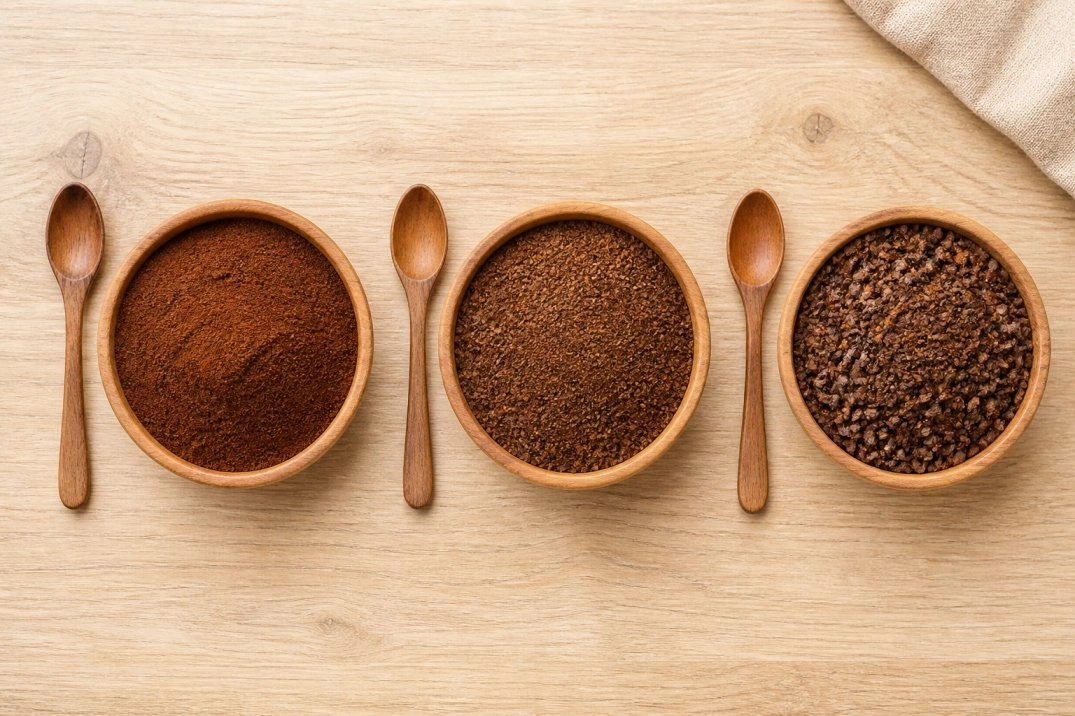
Espresso needs an extremely fine grind, almost like powdered sugar. The water is forced through the coffee in about 25 to 30 seconds under nine bars of pressure. That is about nine times the pressure of a car tire. To get a good extraction in that short window, the coffee has to be ground very fine.
Regular drip coffee uses a medium grind, like beach sand. French press uses a coarse grind, like sea salt. Cold brew uses an even coarser grind.
So what happens if you buy “espresso beans” but grind them coarse? You get a normal cup of coffee. What happens if you buy regular beans and grind them fine for your espresso machine? You get espresso. The label on the bag matters far less than the grind setting on your grinder.
The bag does not make the espresso. The grind and the machine do.
Can You Use Regular Coffee Beans for Espresso?
Yes, absolutely. This is one of the best parts of this whole topic.
You can put any coffee beans in your espresso machine, as long as they are ground fine. Light roast? It will work. Medium roast? It will work. Single-origin beans from a small farm? They will work too.
Here is what to expect:
- Light roasts give you a brighter, more acidic espresso. Some people love this. Others find it too sour.
- Medium roasts give a balanced, classic shot that most people enjoy.
- Dark roasts give the bold, chocolatey shot that most coffee shops serve.
If your machine has a pressurized basket (common in home machines), nearly any bean will give you a decent shot with a nice layer of crema. So feel free to experiment. Your espresso machine is not picky. It will happily brew whatever you feed it.
Can You Use Espresso Beans for Regular Coffee?
Yes, and this works just as well.
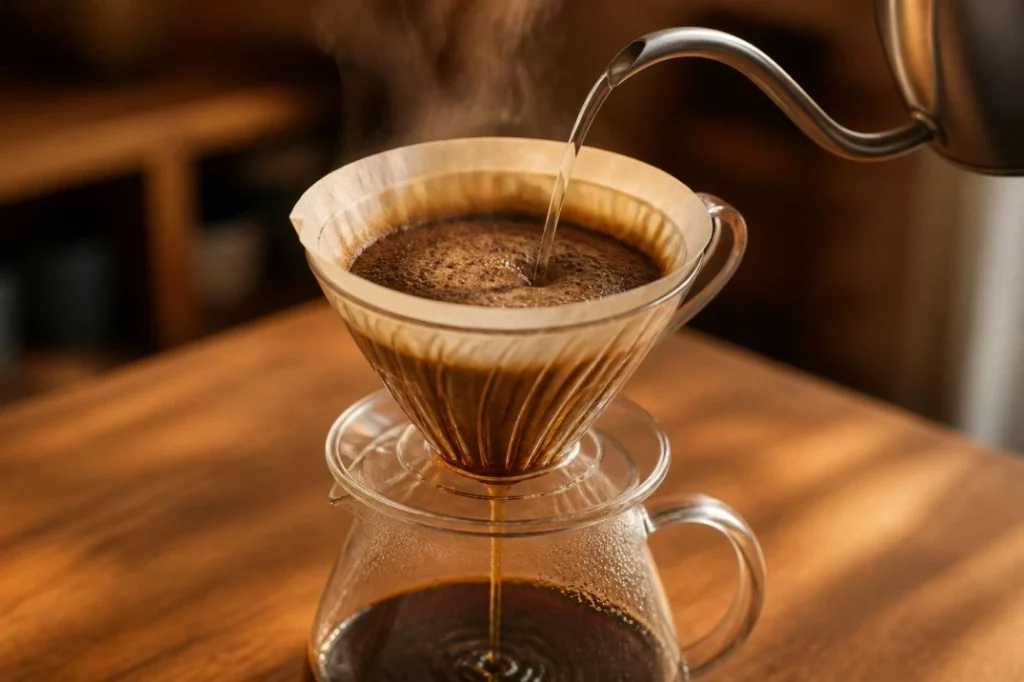
Buy a bag of dark-roasted espresso beans, grind them to a medium or coarse setting, and brew them in your drip machine or French press. You will get a bold, rich cup of coffee with chocolatey notes. It is basically a strong dark roast, and many people love it as their everyday cup.
One tip: if you drink your coffee black, a dark roast espresso blend can taste strong and smoky. Add a splash of milk or cream and it turns into a sweet, dessert-like cup. In fact, many coffee shops use espresso roast beans for their drip coffee, so you are in good company.
How to Choose the Right Beans: A Simple Buying Guide
Now for the practical part. Next time you are at the store, here is how to pick the perfect bag for your kitchen.
1. Match the bag to your brewing method.
If you own an espresso machine, try a bag labeled “Espresso” first. It is roasted and blended for exactly that purpose. If you brew drip or pour over, pick a light or medium roast that matches your taste.
2. Look for a roast date, not an expiration date.
Freshness is the single biggest factor in how coffee tastes. The roast date tells you when the beans were actually roasted. Try to buy beans roasted within the last two to four weeks. Coffee that has been sitting on a shelf for a year will taste flat, no matter how expensive it was.
3. Buy whole beans and grind at home.
Ground coffee goes stale fast. Once beans are ground, they lose flavor within minutes and hours. Whole beans stay fresh for weeks. If you really want better coffee, this one change alone makes a huge difference. A basic burr grinder costs about the same as a nice bag of beans and pays for itself quickly.
4. Choose the flavor you like, not the label.
Do not buy a bag just because it says “Espresso” or “Premium.” Check the tasting notes on the package. Like fruity and bright? Go light. Like chocolate and nuts? Go dark. Trust your own taste buds over marketing words.
5. Try a single origin for fun.
Most espresso blends mix beans for consistency. Single-origin beans come from one farm or region, like Colombia, Ethiopia, or Sumatra. They have unique flavors and are a great way to explore coffee like you would explore wine.
Freshness and Storage Tips
You have picked the perfect bag. Now keep it fresh.
- Keep beans in an airtight container. Oxygen is the enemy of fresh coffee.
- Store them in a cool, dark place. A kitchen cabinet away from the stove works great.
- Do not put them in the fridge or freezer. The moisture and smells will ruin them. Only freeze beans if you bought a huge bag and plan to store them for months.
- Buy smaller bags more often. A 12-ounce bag is perfect for a week or two of daily brewing.
- Grind only what you need. Grind right before brewing, not the night before.
Follow these five tips and your coffee will taste noticeably better within days.
5 Common Myths About Espresso Beans
There are a lot of myths floating around about espresso beans. Let us bust the five biggest ones.
Myth #1: Espresso beans have more caffeine.
False. A dark roast actually has slightly less caffeine by volume than a light roast. The roasting process burns some caffeine away. The reason espresso feels stronger is that you are drinking a small, concentrated shot, not because the bean is stronger.
Myth #2: You can only use espresso beans in an espresso machine.
False, as we covered above. Any bean works in any machine. The grind is what matters.
Myth #3: Darker beans are higher quality.
Not true. Roast level is a taste choice, not a quality rating. In fact, many specialty roasters use light or medium roasts to show off the natural flavors of high-quality beans. Dark roasting can hide the flaws of cheap beans, which is one reason low-quality coffee is often roasted dark.
Myth #4: Espresso beans are a different species.
False. They are the same Arabica and Robusta species as all other coffee. The only difference is the roast.
Myth #5: You need a fancy machine to enjoy espresso beans.
False. You can brew espresso-roast beans in a Moka pot, a French press, or even a regular drip machine. You will not get the exact same shot, but you will get a delicious bold cup of coffee.
Frequently Asked Questions
What makes espresso espresso?
Three things: very fine grind, high pressure, and a short brew time of about 25 to 30 seconds. The bean itself does not have to be special.
Can I use espresso beans in my Keurig or drip coffee maker?
Yes. Just use a medium or coarse grind setting. The coffee will be bold and rich, like a strong dark roast.
Are espresso beans good for cold brew?
Yes, they are actually a great choice. Dark roasts hold up well to the long, slow cold brew process and give a smooth, chocolatey concentrate.
Do I need to buy expensive beans for good espresso?
No. A fresh, medium-priced bag of beans will beat an expensive bag that has been sitting on a shelf for months. Freshness beats price every single time.
Final Thoughts
So, is there a difference between coffee beans and espresso beans? Yes and no.
The beans themselves are the same. They come from the same coffee plants, the same farms, and the same two main species. The difference lives in the roasting. Espresso beans are roasted darker and often blended to work perfectly under high pressure.
But here is the liberating truth: the label does not control you. You can brew espresso beans as drip coffee. You can brew light roasts in your espresso machine. You can experiment, mix, and match until you find the cup that makes you smile every morning.
The best coffee is not the most expensive or the most “premium” label on the shelf. The best coffee is the one you love to drink, brewed fresh, exactly the way you like it.
So next time you are in the aisle, pick a bag that looks good to you. Check the roast date. Buy whole beans. Grind them fresh. And enjoy the best cup of coffee you have ever made, whatever the label says.
Happy brewing!
Related Article : How to Prepare Coffee Using a French Press
Related Article : How Do You Make Coffee with Coffee Beans?
2 Comments
[…] Related Article : Is There a Difference Between Coffee Beans and Espresso Beans […]
[…] Related Article : Is There a Difference Between Coffee Beans and Espresso Beans? […]