
Can I Drink Coffee 3 Days After Tooth Extraction? My Own Experience

So you had a tooth pulled, and now it’s day three. The swelling has calmed down, the pain is mostly gone… and all you can think about is that warm cup of coffee waiting for you in the morning. If you’ve been typing “can I drink coffee 3 days after tooth extraction” into your search bar, you’re not alone — it’s one of the most common questions people ask after dental work.
The short answer is: maybe, but only the right way, and only if your mouth is truly healing well. In this guide, we’ll walk you through exactly what’s happening in your mouth on day 3, why coffee can be risky, and the safest way to enjoy it without putting your recovery in danger.

The quick answer: On day 3 after a tooth extraction, a small cup of lukewarm coffee may be okay — but only if you have no pain, no swelling, and no bleeding, and you drink it very carefully (no straw, tiny sips, from the other side of your mouth). Many dentists still suggest waiting until day 5 or later, especially after harder extractions like wisdom teeth. When in doubt, wait.
What’s Actually Happening in Your Mouth Right Now
To understand the coffee question, you first need to know what’s going on inside your mouth on day 3.
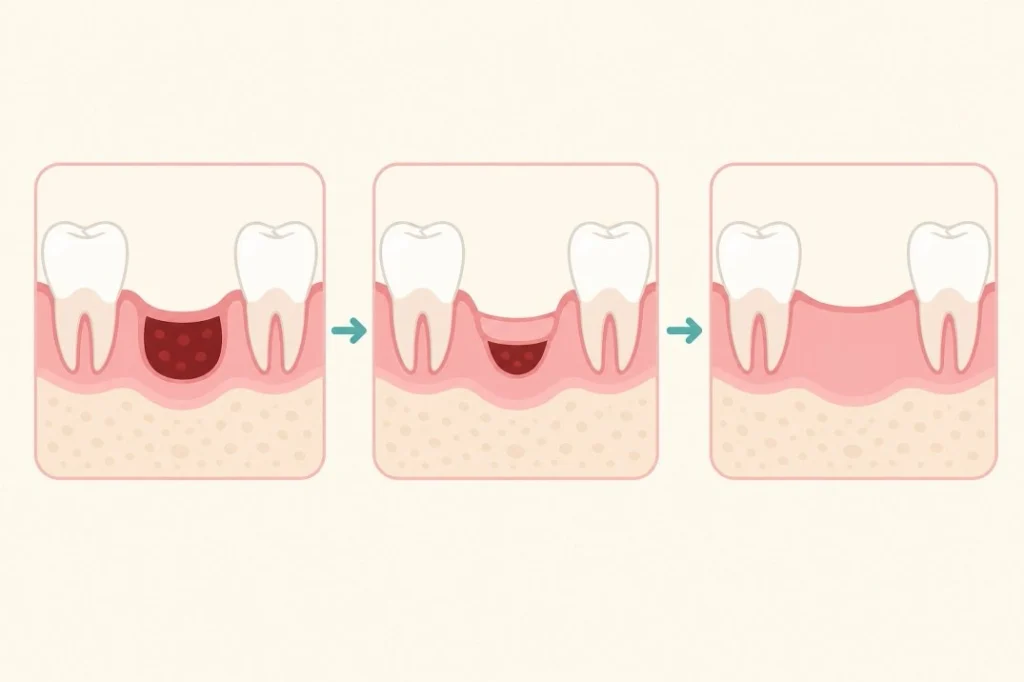
Right after a tooth is pulled, your body does something amazing. It fills the empty hole — called the socket — with a blood clot. Think of that clot as a natural bandage. It covers the bone and the nerves underneath, and it gives your body a base to build new tissue on.
Here’s the key part: that blood clot is fragile. If it gets knocked loose too early, the bone and nerves are exposed to air, food, and drinks. That leads to a very painful problem called dry socket, which we’ll talk about more in a moment.
On day 3, the bleeding has usually stopped, and the socket has started to form new, soft gum tissue over the clot. For many people, this is the day they start to feel almost normal again. But “almost normal” does not mean “fully healed.” Most dentists agree the socket needs about 7 to 10 days to close up properly — and even longer after tougher extractions, like back molars or wisdom teeth.
Why Coffee Can Be a Problem So Soon After Surgery
Coffee isn’t just one thing — it’s hot, it’s acidic, and it contains caffeine. Each of those parts can cause trouble for a healing mouth. Here’s why dentists get cautious about coffee in the first few days:
- The heat. Hot liquids can soften or wash away the blood clot that’s protecting your socket. They also irritate the raw gum tissue and can make swelling worse. This is why dentists tell you to avoid hot foods and drinks for at least 24 to 48 hours — and many say longer.
- The caffeine. Caffeine wakes you up because it raises your heart rate and blood pressure. Higher blood pressure means more blood flow to the area — and that can make a healing socket bleed or throb.
- The acid. Coffee is naturally acidic. Acid can sting open tissue and slow down the healing process, kind of like pouring lemon juice on a cut.
- The extras. If you take your coffee with sugar, cream, or syrups, those leave sweet residue in your mouth. That can feed bacteria and make it easier for an infection to start.
- The straw habit. Many people sip iced coffee through a straw. Sucking on a straw creates strong suction in your mouth — and that suction can literally pull the blood clot right out of the socket. Dry socket is not something you want to risk.
So coffee on day 3 isn’t simply a “yes” or “no” question. It depends on your body, your surgery, and how careful you’re willing to be.
So… Can I Drink Coffee 3 Days After Tooth Extraction?
Here’s the honest, straight answer most dentists would give you: Day 3 is the very earliest some people can safely try it — but it is not the day everyone should.
Whether it’s okay for you depends on a few things:
- Which tooth was pulled. A simple extraction of a front tooth heals faster than a deep wisdom tooth that had to be cut out. The harder the surgery, the longer you should wait.
- How you feel right now. If you still have throbbing pain, visible swelling, or any bleeding, your mouth is telling you it’s not ready. Listen to it.
- What your dentist said. Your dentist gave you specific aftercare instructions for a reason. If they told you to avoid hot drinks for a full week, follow that — their advice is based on your exact situation.
Many dental offices tell patients to avoid coffee for 3 to 5 days, and quite a few recommend waiting a full 5 to 7 days after surgery. Some say a full week or more for wisdom teeth. So if you’re on day 3 and your mouth feels great, you’re at the very edge of the “okay” zone — not deep inside it.
A good rule of thumb: if you have to ask whether it’s safe, waiting one more day is almost always the smarter choice. Your socket only gets one chance to heal properly, and a cup of coffee is not worth a week of dry socket pain.
The Day-3 Coffee Checklist: How to Do It the Safe Way
If you’ve checked with your dentist, you’re feeling good, and you’ve decided to try that cup of coffee on day 3, here’s exactly how to do it without wrecking your recovery:
- Do a quick mouth check first. No throbbing pain? No puffiness? No bleeding? If any of those are present, put the coffee away and wait another day or two.
- Let the coffee cool down — a lot. It should be lukewarm, not hot. Think “barely warm to the touch.” If it feels hot on your lip, it’s too hot for your socket.
- Sip from the other side of your mouth. If your tooth was pulled on the left, drink from the right side of your mouth. Keep the coffee away from the healing area as much as you can.
- Take tiny, slow sips. Don’t gulp. Don’t hold the coffee in your mouth. Just small, gentle sips, and swallow normally.
- No straw. Ever. Not even for iced coffee. This rule lasts for at least a week — longer is safer. Suction is the number one cause of people losing their blood clot.
- Keep it plain. Skip the sugar, syrups, and heavy cream for now. The simpler the coffee, the less there is to irritate your socket or feed bacteria.
- Stop at the first sign of trouble. If your socket stings, throbs, or starts to ache while you drink, stop right away. That’s your body telling you it’s too soon.
And one more tip: after you finish, don’t swish liquid around your mouth to “clean” the area. That swishing motion can also disturb the clot. If you want to rinse, do it very gently — or better yet, wait and follow your dentist’s rinse instructions.
When You Should NOT Drink Coffee Today
Before you take that first sip, take a second to check for these warning signs. If any of them sound like you, skip the coffee and call your dentist instead:
- Pain that keeps getting worse. A little soreness is normal. But pain that starts or spikes between days 2 and 5 — especially sharp, throbbing pain that pain relievers don’t help — could be dry socket.
- A bad taste or smell in your mouth. This can mean food is stuck in the socket, or an infection is starting.
- You can see the socket looks “empty.” If the white bone looks exposed instead of covered by a dark clot, that’s a sign the clot may have come out.
- Swelling that’s getting worse, not better. Some puffiness is normal for the first few days. Swelling that increases after day 3 is not.
- Fever or a warm, red area. These are classic signs of infection.
- Bleeding that hasn’t stopped. A little pink in your spit can be normal, but active bleeding is not.
Dry socket usually shows up right around days 2 to 5, and it’s one of the most painful problems dental patients describe — exactly why dentists are so careful about coffee, straws, and hot drinks in that first week. If you’re in real pain, no coffee is worth it.
What About Iced Coffee, Cold Brew, or Decaf?
If you’re on day 3, you might be thinking, “Fine, I’ll just get an iced coffee instead — it’s cold, so it’s safe, right?” Not exactly. Here’s the truth about the alternatives:
- Iced coffee. The cold temperature removes the heat problem, but the caffeine and the acid are still there. And let’s be honest — most iced coffee comes with a straw, which is a huge no-no this early. If you absolutely must, skip the straw, drink from the cup, and keep it away from the extraction side.
- Cold brew. Cold brew is less acidic than regular coffee, which is a small plus. But it’s still caffeinated and still not great for a healing socket. It’s a “maybe on day 5, not day 3” kind of drink.
- Decaf. Decaf removes most of the caffeine problem, but you still have the heat issue and the acid. A lukewarm cup of decaf on day 3 is safer than regular coffee — but it’s still not the same as just waiting.
- Flavored coffee drinks. Frappuccinos, caramel lattes, and other sweet coffee drinks bring in sugar, dairy, and cold — a triple threat for a healing mouth.
The bottom line: every version of coffee has at least one thing that can bother your socket. The safest coffee is no coffee for the first few days, and the next safest is lukewarm, plain, and sipped carefully.
Your Day-by-Day Coffee Comeback Plan
Not sure when to bring coffee back into your routine? Here’s a simple timeline that works for most people — remember that your dentist’s instructions always come first:
- Day 0 to 1: No coffee at all. Stick to water, and let your body start building that blood clot in peace.
- Day 2: Still no coffee. Your clot is doing its most important work right now. Cool, soft foods and plain water only.
- Day 3: This is the earliest possible day — and only if you’re healing perfectly with zero pain. Lukewarm, plain coffee, tiny sips, other side of the mouth, no straw. When in doubt, wait until tomorrow.
- Days 4 to 7: Most people can start having lukewarm or cool coffee again if everything looks and feels good. Keep following the checklist — no straw, gentle sips, watch for pain.
- Day 7 and beyond: The socket is usually mostly closed by now, and the dry socket risk has dropped a lot. For many people, hot coffee is fine again around the one-week mark.
- Wisdom teeth or difficult extractions: Add a few extra days — sometimes up to two weeks — before you go back to your normal hot coffee habit. Bigger surgeries need more time.
A helpful way to think about it: the day you stop feeling sore is not the day you’re healed — it’s the day real healing gets going.
Drinks You Can Enjoy While You Wait
Just because coffee is off the table doesn’t mean you have to drink plain water all week. These drinks are gentle on a healing socket and actually good for your recovery:
- Water. The gold standard. It keeps you hydrated, and staying hydrated helps your body heal faster.
- Milk. Cool milk is easy on the mouth and gives you some protein and calcium. Just sip it from the cup, no straw.
- Smoothies. A smoothie is a great way to get nutrition without chewing — just eat it with a spoon or drink from the cup. Avoid smoothies with seeds or tiny bits that could get stuck in the socket.
- Lukewarm herbal tea. Caffeine-free herbal teas like chamomile or peppermint are soothing. Make sure it’s cool enough before you sip.
- Milkshakes. Cold, smooth, and easy to swallow — eat it with a spoon, not a straw.
- Broth. Warm (not hot) chicken or vegetable broth is comforting and gentle.

And here’s what to skip along with the coffee: anything fizzy (carbonation can irritate the socket), anything with alcohol, and very acidic juices like orange, grapefruit, or cranberry juice for the first several days.
Extra Tips to Help Your Socket Heal Faster
The fastest way back to your normal coffee routine is to help your mouth heal with good aftercare:
- Don’t smoke. Smoking is one of the biggest dry socket triggers out there. The suction pulls at the clot, and the smoke irritates the tissue.
- Stick to soft foods. Think mashed potatoes, yogurt, applesauce, eggs, and pasta.
- Keep your tongue off it. It’s tempting to poke at the socket with your tongue to “check” it. Don’t. Every poke disturbs the healing tissue.
- Sleep with your head propped up for the first couple of nights if you can. It helps reduce swelling.
- Take your pain medicine as directed, even if you feel fine. Staying ahead of the pain helps you rest, and rest is when healing happens.
- Follow your dentist’s rinse instructions. Many dentists recommend gentle saltwater rinses starting a day after the extraction. Never swish hard.
Frequently Asked Questions
Can I drink iced coffee 3 days after tooth extraction?
Iced coffee removes the heat problem, but the caffeine, acid, and straw habit are still concerns. If you must, drink it without a straw, from the other side of your mouth, in small sips — but honestly, waiting until at least day 5 is the safer choice.
Can I use a straw after a week?
Most dentists suggest avoiding straws for at least 7 to 10 days. Even after that, it’s smart to be gentle. The suction from a straw can pull a clot loose, and losing that clot is exactly how dry socket starts.
Does caffeine slow down healing after tooth extraction?
Caffeine can raise your blood pressure and heart rate, which increases blood flow to the extraction site. That can lead to more bleeding or throbbing in the early days. It’s not that one sip ruins everything — it’s that your socket heals best when your body is calm and rested.
When is the risk of dry socket gone?
Most dry sockets develop between days 2 and 5 after the extraction. After about a week, once the socket has started closing with new tissue, the risk drops dramatically. By days 7 to 10, most people are in the clear.
When can I drink hot coffee normally again?
For a simple extraction, many people can enjoy hot coffee again after about a week. For wisdom teeth or more complicated extractions, plan on waiting closer to two weeks. When your socket looks mostly closed and feels fine, hot drinks are usually okay — but go slow on that first cup back.
Bottom Line
So, can you drink coffee 3 days after tooth extraction? The real answer is: it depends on your healing — and if you do, you have to do it right. Lukewarm, plain, tiny sips from the other side of your mouth, and absolutely no straw. If you have any pain, swelling, or bleeding, skip the coffee and wait another day or two.
Your mouth does the healing in the background, quietly and invisibly. The best thing you can do is give it a fair chance — a few days without coffee is a small price to pay for a smooth, pain-free recovery. And if you’re ever unsure, your dentist is one phone call away. They’d much rather answer your question than treat a dry socket.
This article is for general information only and is not medical advice. Always follow the specific instructions given by your dentist or oral surgeon after your procedure.
Related Article : How Long Is Coffee Good for in the Fridge?