Picture this. It is Monday morning, you are half awake, and you finally pour your first cup of coffee. You add a splash of creamer, take one perfect sip, and then life happens. The phone rings, the kids call, and the email inbox glows. By the time you remember, your coffee creamer has been sitting on the counter for hours. Now the question hits you: how long can coffee creamer be left out before it goes bad?
It is one of the most common kitchen questions in America, and the good news is that the answer is easy to remember. In this guide, we will walk you through the exact time limits for every type of creamer, why those limits exist, and the simple habits that keep your coffee safe and tasty. No confusing science talk, just plain answers you can use right away.
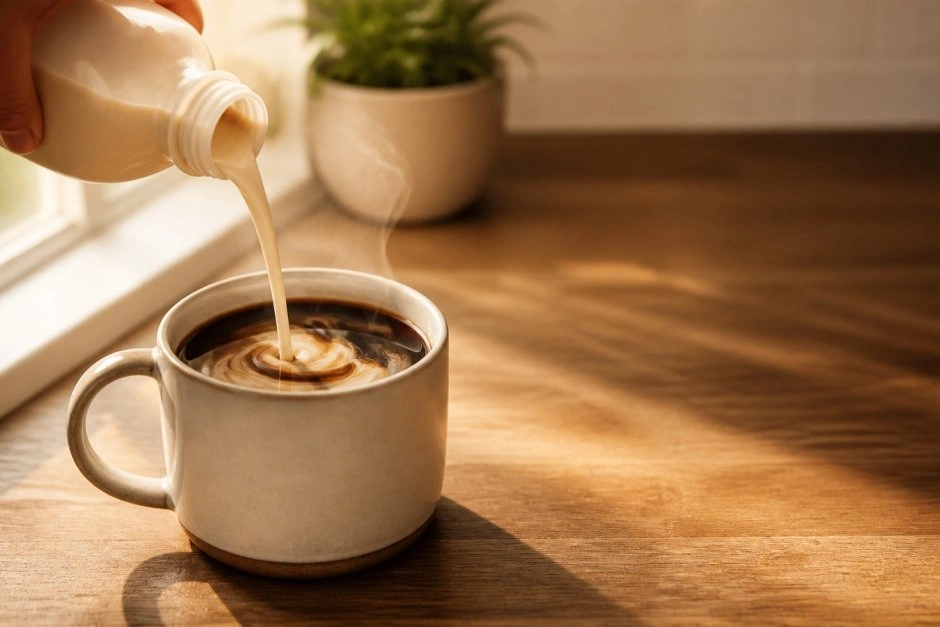
The Short Answer: 2 Hours
For most liquid coffee creamers, the safe limit is 2 Hours at room temperature. That includes dairy creamers like half-and-half and most plant-based creamers that say refrigerate after opening on the label. If your kitchen is warmer than 90°F, that safe window shrinks to just one hour.
The Quick Answers at a Glance
- Dairy creamer (half-and-half, milk-based): 2 hours at room temperature
- Plant-based liquid creamer (opened): 2 hours at room temperature
- Kitchen above 90°F (hot day or warm car): 1 hour, max
- Powdered creamer: safe in a cool, dry pantry, no 2-hour clock
- Unopened shelf-stable creamer: fine in the pantry until the date on the pack
- Left out overnight: throw it out, no matter the type
These numbers come from the food safety rules used by the USDA and the FDA. They are not meant to scare you. They are simply the times that keep you safe while you enjoy your coffee without worry.
Why 2 Hours?
The reason has to do with tiny living things called bacteria. Bacteria love the same things we love in creamer: moisture, protein, and a little sugar. When a creamer bottle warms up to room temperature, any bacteria inside or on the spout wake up and start to grow.
Food experts call the range between 40°F and 140°F the danger zone. Inside this zone, bacteria can double in number in as little as twenty minutes. A fridge keeps food below the zone, and a hot stove keeps food above it. A countertop, however, parks your creamer right in the middle, which is exactly where bacteria like to party.
That is why the two-hour rule exists. It is the window in which bacteria have not had enough time to grow to levels that could make you sick. After two hours, the risk climbs fast, and no amount of sniffing can tell you whether the creamer is safe. Bacteria do not always change the smell or the taste.
This is also what those small words on the label really mean. When a bottle says refrigerate after opening, it is not just a suggestion from a cautious company. It is a safety instruction based on the same science that keeps milk, eggs, and deli meat out of the danger zone. Pasteurization kills most bacteria at the factory, but it does not make the creamer sterile forever. The moment you open the bottle, fresh bacteria from the air and your hands can get in, which is why the cold and the clock both matter.
How Long Can Coffee Creamer Be Left Out? Depends on the Type
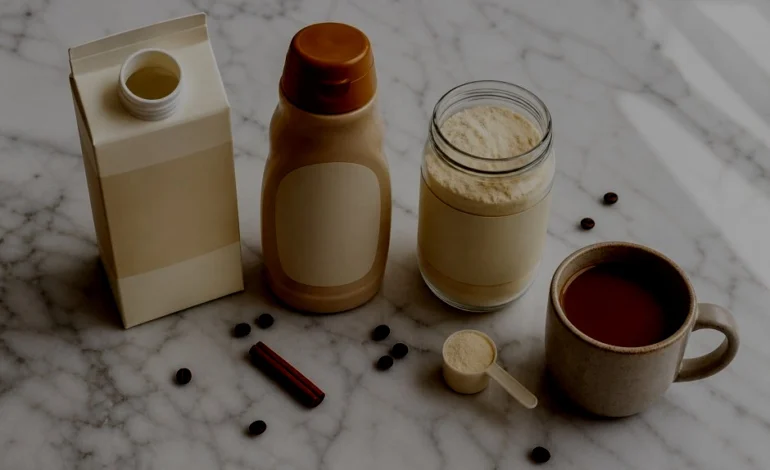
Not all creamers are the same. Your answer changes with what is inside the bottle. Here is the breakdown, one type at a time.
Liquid Dairy Creamer (Half-and-Half and Milk-Based)
Dairy creamer is the most delicate kind. Half-and-half, heavy cream, and milk-based flavored creamers are real dairy products, so they spoil like milk. Once you open the bottle, it must live in the fridge, and it should never sit on the counter for more than two hours total.
Keep a simple habit: pour your creamer, put the bottle back in the fridge, and then finish your coffee. If you left it out for a full morning while you worked from home, do not use it. The two hours have passed, and dairy is simply not worth the gamble.
Liquid Non-Dairy Creamer (Almond, Oat, Coconut)
Plant-based creamers feel more modern, but they are not more forgiving. Once opened, most of them carry a refrigerate after opening label for a good reason. They still contain water and natural sugars, which are exactly what bacteria need to grow.
The phrase dairy-free often makes people think the product cannot spoil. That is a myth. A plant creamer left out overnight can grow the same unwelcome bacteria as a dairy one. Treat your oat or almond creamer with the same respect: two hours on the counter, then back in the cold.
Powdered Coffee Creamer
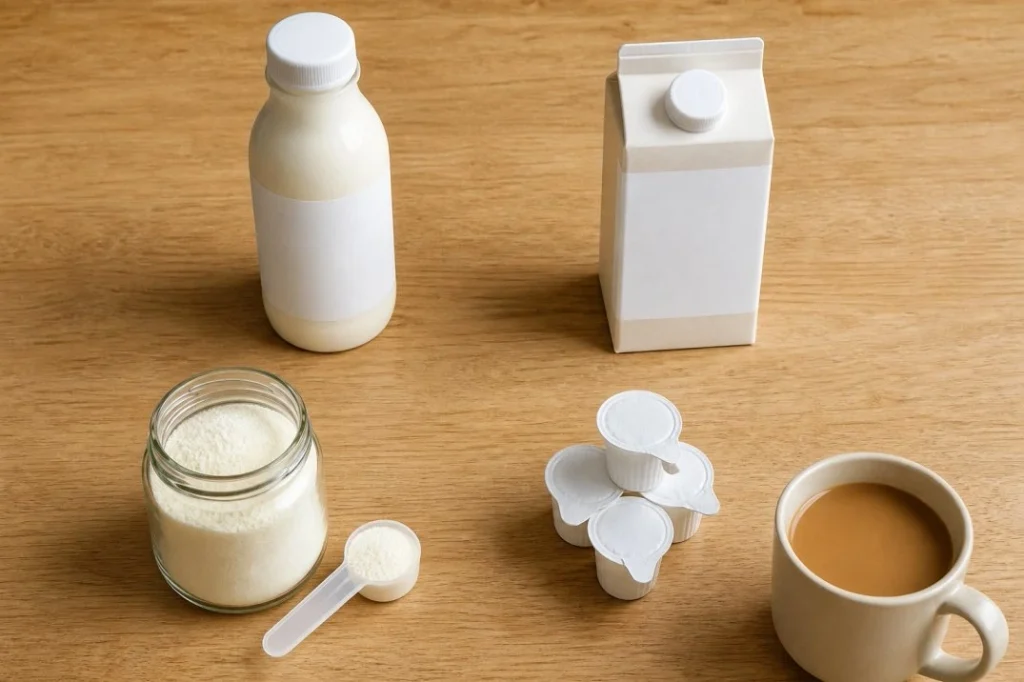
Powdered creamer is the rebel of the group, and it earns its freedom. Because it has almost no water, bacteria cannot grow inside a sealed jar. A can of powdered creamer can live happily in your pantry or on your office shelf for months, as long as it stays dry and cool.
The two-hour rule does not really apply to dry powder. The things that do matter are moisture and heat. Always keep the lid sealed tight, never use a wet spoon in the jar, and keep the container away from steam, sunlight, and hot stoves. If your powder ever looks clumpy, smells odd, or has gotten wet, toss it and grab a fresh can.
Shelf-Stable Single-Serve Cups
Those little creamer cups you see at diners and coffee bars are special because they are sealed tight. Before you pop the top, they are safe at room temperature for a very long time, which is why restaurants can keep baskets of them on the counter.
The clock starts when you open one. Once a single-serve cup is opened, or once you pour its creamer into a mug that sits around, the two-hour rule is back in charge. The golden rule for cups is simple: open it, use it, and do not leave leftovers sitting out.
| Type of Creamer | How Long It Can Stay Out | The Bottom Line |
| Liquid dairy (half-and-half, milk-based) | 2 hours (1 hour above 90°F) | Back in the fridge right after pouring |
| Liquid non-dairy (oat, almond, coconut) | 2 hours after opening | Dairy-free does not mean germ-free |
| Powdered creamer | Safe at room temperature | Keep it sealed, dry, and cool |
| Single-serve cups (unopened) | Safe in the pantry | Use it right after opening |
| Any creamer left out overnight | Not safe at all | Throw it out and open a fresh one |
Hot Weather Changes the Clock: The One-Hour Rule
Warm air makes bacteria work faster. That is why the rules change when the temperature climbs. If your kitchen, break room, or car is above 90°F, food experts cut the safe time in half. Creamer that would normally last two hours should be used within one hour.
Think about summer picnics, hot garages, or a creamer bottle that rides in your work bag on a sunny July day. In these cases, treat one hour as the hard stop. When in doubt, the safest move is always to throw it out. A new bottle of creamer costs a few dollars. A trip to urgent care costs a lot more.
Left Out Overnight? Here Is the Honest Answer
If your coffee creamer sat on the counter from last night until this morning, the answer is not pretty: throw it out. Eight hours is far beyond the two-hour limit, and that gives bacteria more than enough time to multiply to unsafe levels.
Some people argue that it smells fine, so it must be fine. This is the most dangerous food idea in any kitchen. Harmful bacteria usually do not change how food smells or looks, especially in the early stages. Your nose is a great tool for many things, but it cannot detect the bacteria that cause food poisoning.
The one exception is unopened shelf-stable creamer that never left the pantry in the first place. If you bought it, never opened it, and it stayed in a cool cabinet all night, it is fine. Once a seal is broken or the bottle has been open, overnight on the counter means goodbye.
Signs Your Creamer Has Gone Bad
Even with careful habits, creamer can go bad inside the fridge. Here are the warning signs to watch for, whether it is in the bottle or already in your mug:
- A sour, sharp, or just off smell when you open the bottle
- Lumps, chunks, or a curdled look, even after a good shake
- A thicker or separated texture that will not mix back together
- A color that looks yellow, gray, or just not like cream anymore
- A strange taste, which means it is already too late to drink
If you see any of these signs, do not taste the creamer to check it. Tossing a half-empty bottle is never fun, but it is cheaper and kinder to your stomach than the alternative. Trust the signs and keep your fridge stocked with fresh bottles.
What If You Already Drank It?
Take a breath. If you drank coffee with creamer that sat out too long, most healthy adults will be fine. Food poisoning is not a guarantee, it is a risk, and the risk depends on the creamer, the temperature, and your own body. Many people drink slightly stale creamer coffee and never feel a thing.
Still, it helps to know the signs. If you feel stomach cramps, nausea, or diarrhea within a few hours, drink plenty of water and rest. Symptoms usually pass on their own within a day or two. If symptoms are severe, if there is a high fever, or if a child, an older adult, or a pregnant person is affected, call a doctor. This is general information, not medical advice, so always trust your doctor when you are worried.
How to Store Coffee Creamer the Right Way
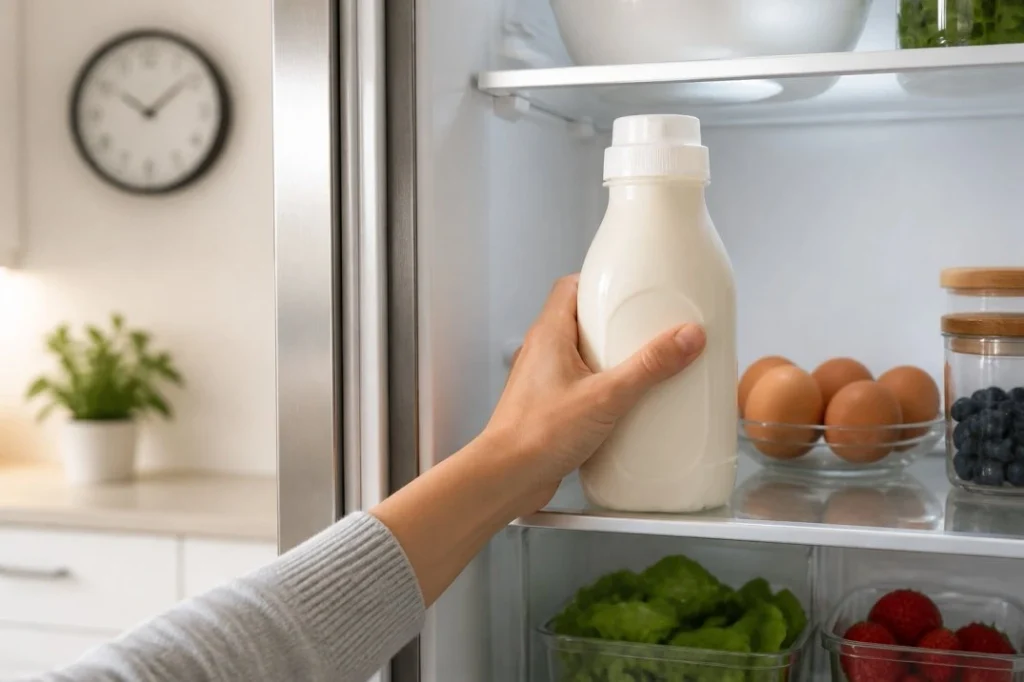
Good storage is the easiest way to make your creamer last and keep every cup tasting fresh. Follow these simple rules and you will rarely have to think about the clock again.
- Put open liquid creamer in the fridge right away, before you even take your first sip
- Store it on an inner shelf, not in the door, because the door warms up every time it opens
- Keep the cap or spout sealed tight so it does not pick up other smells from the fridge
- Mark the open date on the bottle with a marker so you know how long it has been there
- Skip giant bottles if you drink coffee slowly, a smaller bottle means less waste
- Keep a backup powdered creamer in the pantry for mornings when you run out
One more tip that saves many a morning: make put-away part of the pour. Pour your creamer, then put the bottle back before you stir. After a week, the habit becomes automatic, and the question of how long can coffee creamer be left out stops being a daily worry.
Easy Habits for Every Coffee Lover
You do not need to be a food scientist to keep your coffee safe. These five habits cover almost every situation:
- Treat the two-hour mark like a coffee timer, it is short enough to remember and long enough to finish your mug
- For work desks or travel, use single-serve cups instead of a big bottle that sits in the warm air
- On hot days, cut the time to one hour and keep your creamer in the fridge until the last second
- After a holiday meal or a long conversation, check the clock before you pour
- When you are not sure, trust the throw-out rule, fresh creamer is always a few dollars away
Frequently Asked Questions
Can coffee creamer be left out overnight and still be safe?
No. Open liquid creamer that sits out overnight has been in the danger zone for many hours, and it should be thrown away. Bacteria grow fast at room temperature, and they do not always change the smell or look of the creamer, so you cannot check it with your nose.
Does powdered coffee creamer need to be refrigerated?
No. Powdered creamer is made to live at room temperature because it contains almost no water, and bacteria need water to grow. Keep the jar sealed, dry, and away from heat, and it will stay good for a long time. If it gets wet or clumpy, throw it out.
Is non-dairy creamer safe if it is left out?
Once opened, most liquid non-dairy creamers follow the same two-hour rule as dairy. Plant milks still contain water and natural sugars, so bacteria can grow in them too. Dairy-free does not mean bacteria-free, treat it the same as any other open creamer.
How can I tell if my coffee creamer has gone bad?
Look for a sour smell, lumps or chunks, a curdled texture, a strange color, or a sharp taste. Never taste creamer to test it. When in doubt, throw it out, a fresh bottle costs less than a sick stomach.
Can I reheat coffee with creamer that sat out to make it safe?
No. Reheating kills some bacteria, but it does not remove the waste products those bacteria already made, and those waste products are what make you sick. If the creamer spent too long in the danger zone, heat will not fix it.
What about coffee with creamer that sits on my desk all morning?
Your mug follows the same rules as the bottle. Once creamer mixes into warm coffee, the clock starts, and two hours later that mug is no longer a good idea. If you like to sip slowly through the morning, try this trick: keep your coffee black while it sits, and add the creamer only when you are ready to drink it. Black coffee is a much tougher home for bacteria, so it stays safe far longer.
Do flavored creamers last longer than plain ones?
No, and they can actually spoil faster. Flavored creamers add sugar, and sugar is like a buffet for bacteria. All the extra ingredients give microbes more to snack on. Keep the same two-hour rule for every open liquid creamer, plain or flavored.
Final Thoughts
So, how long can coffee creamer be left out? The answer fits on a sticky note: two hours for open liquid creamer, one hour on very hot days, and no limit for dry powder that stays sealed in a cool pantry. Overnight on the counter means the bottle goes in the trash.
Coffee is a delightful part of many people’s daily routine. A little care with your creamer keeps that joy safe, simple, and stress-free. Pour your cup, pop the bottle back in the fridge, and enjoy every warm sip without a second thought. Happy Brewing and Enjoy Your Morning!
Related Article : How Long Is Coffee Good for in the Fridge?
Related Article : Can You Put Vanilla Extract in Coffee?


1 Comment
[…] Related Topic : How Long Can Coffee Creamer Be Left Out? […]