How Hot Does a Coffee Pot Get? Real Temperatures Inside Your Coffee Maker
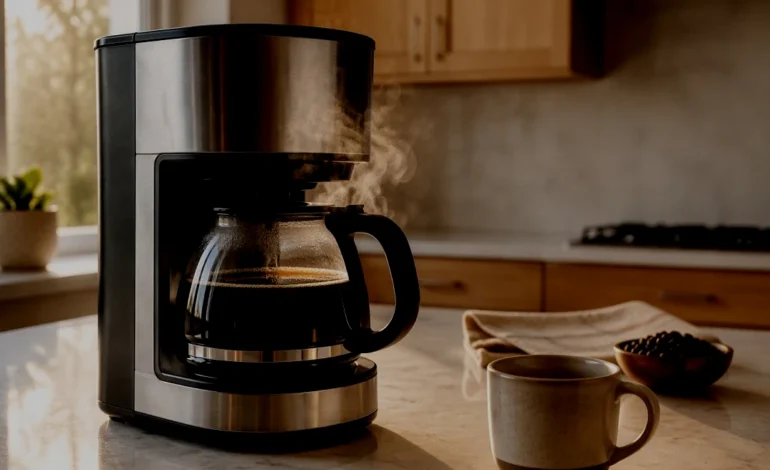
It is one of those questions you only ask after something surprises you. Maybe you laid your hand on the warming plate of your coffee maker and pulled it back fast. Maybe your coffee tasted scorched one morning and you wondered whether the pot was running too hot. Or maybe you are just curious about the machine that greets you on your kitchen counter every single day.
Here is the short answer to how hot does a coffee pot get. The water used to brew coffee is supposed to be between 195°F and 205°F. That is roughly 90°C to 96°C. The coffee that actually lands in the pot is usually a little cooler, often around 175°F to 190°F, because heat escapes on the way in. And if your pot sits on a warming plate, that plate holds the coffee near 175°F, sometimes for hours.
Those are the numbers. The useful part is what they mean for you. In this guide you will learn exactly how hot each type of coffee pot gets, why the numbers are different for each one, how hot is too hot to drink, how long a pot stays hot, and how to test your own coffee maker in about a minute. We also added a Simple Language safety section, because coffee at these temperatures can hurt you.
How Hot Does a Coffee Pot Get? Simple Answer
The fast answer:
- Brewing water: 195°F to 205°F (90°C to 96°C) is the standard range for hot coffee.
- Coffee in the pot right after brewing: usually about 175°F to 190°F in a home drip maker.
- Warming plate: keeps coffee near 175°F on most glass-carafe machines.
- Restaurant and commercial coffee: often served between 180°F and 190°F.
- Comfortable drinking temperature: most people enjoy coffee between 130°F and 150°F.
- Too hot to drink: anything above 149°F (65°C) counts as a very hot drink.
First, What Counts as a Coffee Pot?
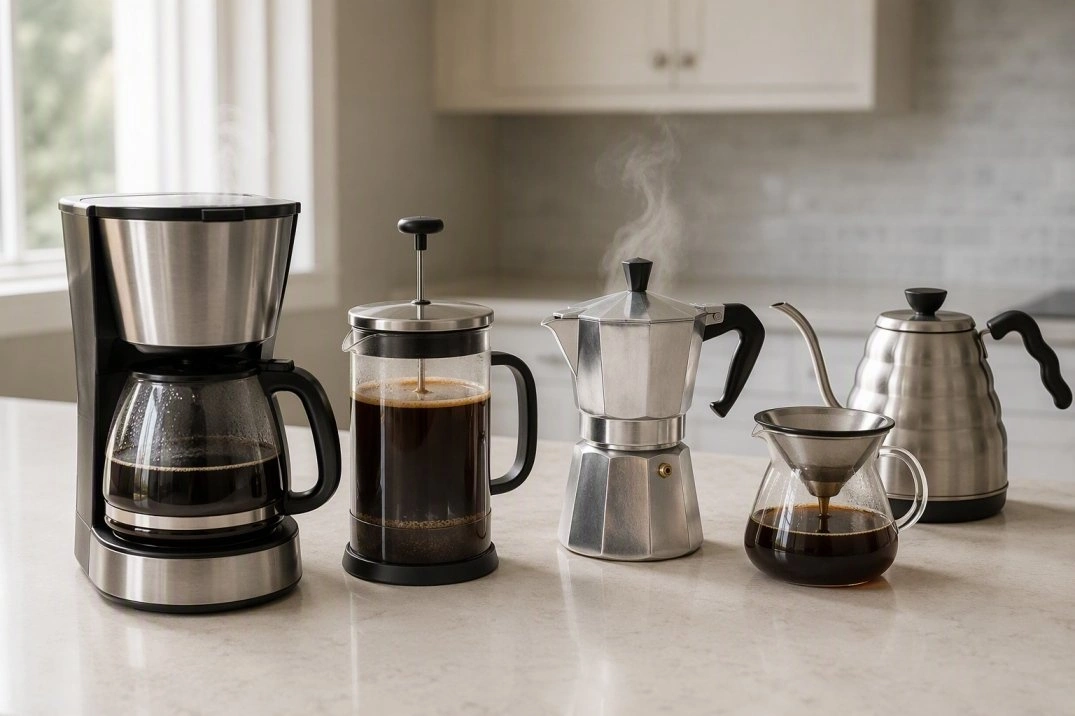
The phrase coffee pot means different things to different people, and that is the main reason this question has more than one answer. A drip coffee maker with a glass carafe works nothing like a stovetop percolator. A French press is not built like a moka pot. Each one handles heat differently, so each one ends up at a different temperature.
When people ask how hot a coffee pot gets, they are usually asking about one of these:
- A drip coffee maker with a glass carafe that sits on a warming plate.
- A drip coffee maker with an insulated thermal carafe that has no warming plate at all.
- A stovetop percolator that cycles near-boiling water through the grounds again and again.
- A French press, where hot water is poured in and left to steep.
- A moka pot, the little metal stovetop brewer that uses steam pressure.
- An electric kettle or pour-over setup, where you heat the water yourself.
- A commercial urn or airpot, the kind you see in diners, offices, and church halls.
Notice that the water temperature and the pot temperature are two different things. That difference matters, and we will come back to it in a moment.
How Hot Does Each Type of Coffee Pot Get?
Here is a simple breakdown. Think of the numbers as typical ranges you would see in a normal American kitchen, not exact readings for every machine on the market.
Typical temperatures for common coffee pots
| Coffee pot type | Brew water | Coffee in the pot | What to know |
| Drip maker, glass carafe | 195°F to 205°F | About 175°F to 190°F | A warming plate holds it near 175°F after brewing. |
| Drip maker, thermal carafe | 195°F to 205°F | About 175°F to 190°F | No plate. It holds heat for a couple of hours, then cools. |
| Stovetop percolator | Near boiling, cycled over and over | Very hot, at the top of the range | The metal body gets hot enough that you want the handle. |
| French press | 195°F to 205°F poured in | Around 195°F, then cools quickly | The glass stays warm, not painful, after a few minutes. |
| Moka pot | Water nears boiling under steam pressure | Close to boiling when it comes out | The base sits on a flame, so the whole pot gets hot. |
| Pour-over and electric kettle | 195°F to 212°F | 190°F to 205°F in your mug | The kettle body stays cooler, but the steam is scalding. |
| Commercial urn or airpot | Held at serving temperature | Often 180°F to 190°F | The hottest coffee most people ever drink. |
Why Does a Coffee Pot Get That Hot in the First Place?
Heat is the tool that pulls flavor out of coffee grounds. When hot water touches ground coffee, it dissolves sugars, acids, and oils and carries them into your cup. Warm water works slowly. Cold water barely works at all. That is why cold brew has to steep for 12 or more to get the same strength.
The standard brewing range is 195°F to 205°F. The Specialty Coffee Association, the group behind the Golden Cup Standard for brewed coffee, describes the target as water at about 200°F at the point where it meets the grounds. You can read the full breakdown of that standard at Roastopedia’s Golden Cup Standard guide.
There is a reason the range stops at 205°F. Push the water hotter and you start pulling out compounds that taste harsh, bitter, and dry. Stay well below 195°F and your coffee tastes weak, sour, or flat, because the water never pulled out enough of the good stuff.
Now here is the part most people miss. The water inside the machine is hotter than the coffee in the pot. Water can be 200°F in the brew basket, but by the time it drips through the grounds, falls into the carafe, and touches cooler glass, it has already given up some heat. That is why a pot that brews at 200°F often holds coffee closer to 180°F.
Plenty of home machines run on the cool side of the range. Coffee forums and equipment reviewers often note that everyday drip makers land closer to 180°F on the brew cycle than 200°F, which is one common reason home coffee tastes weaker than coffee from a good cafe.
Warming Plate Is Usually the Hottest Part of Your Coffee Maker
If you want to know which part of a coffee maker gets the hottest, do not test the coffee. Test the warming plate. That flat metal surface under a glass carafe exists for one job: to keep the coffee from going cold. Manufacturers typically set it to hold the coffee at around 175°F, and it can keep working for hours.
That means the plate and the bottom of the glass carafe are often hotter than the coffee sitting inside them. It is the same idea as a hot skillet on a stove: the pan is hotter than the food. If you have ever grabbed the base of a glass carafe with your bare hand, you already know how that feels.
There is a second thing happening on that plate, and it is about taste rather than temperature. The plate keeps adding heat to coffee that is already brewed. Brewing is supposed to be finished, so the extra heat has nothing new to pull from the grounds. Over time it just keeps cooking the liquid you are about to drink.
How Hot Is Too Hot to Drink?
In everyday terms, that gives you a simple line to remember. Coffee above 149°F is hotter than you want to drink. Coffee between roughly 130°F and 150°F is the comfort zone where most people say a cup tastes best and feels right.
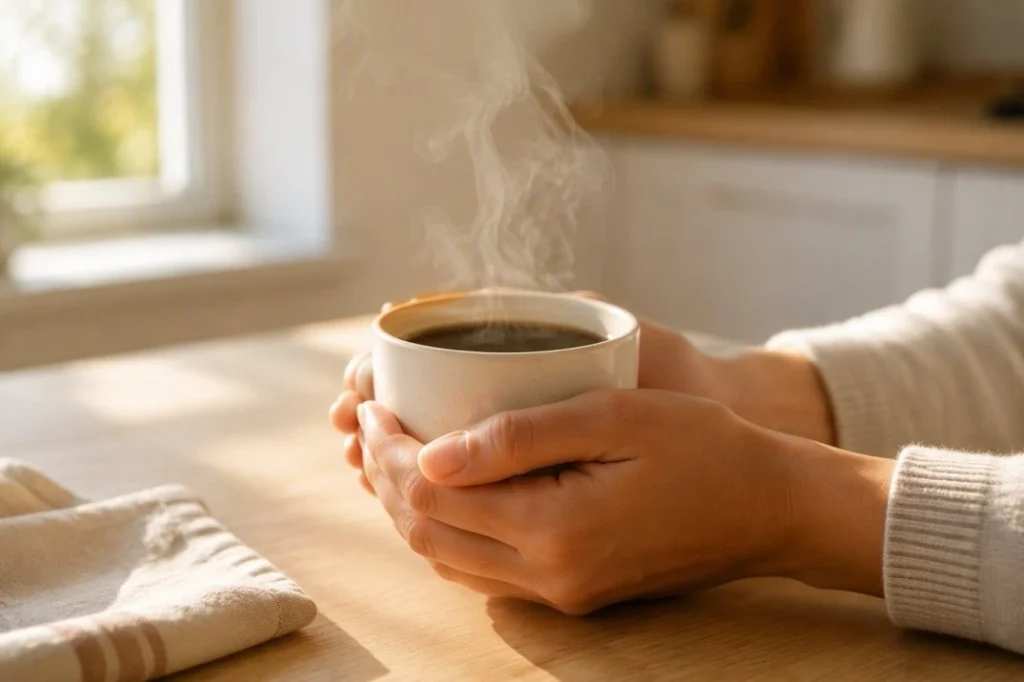
Here is why that matters, and why the steam you see rising off the pot should make you slow down. Hot liquid burns skin fast.
How quickly hot liquid can burn skin:
| Liquid temperature | Time to a serious burn |
| 155°F | About 1 second |
| 140°F | About 5 seconds |
| 120°F | About 5 minutes |
That chart explains the whole problem. Freshly brewed coffee at 175°F to 190°F is roughly thirty to sixty degrees hotter than the temperature that burns skin in one second. You can find the same scald timing table in the Bethesda Health guide to scalds.
Is a Hot Coffee Pot Dangerous? A Simple Safety Checklist
A coffee pot is not a dangerous appliance. It is a very safe one that happens to hold scalding liquid, which is exactly the combination that causes most kitchen burns. A few habits go a long way.
- Push the coffee maker back from the counter edge. Cords and carafes get pulled by small hands.
- Never pour a fresh pot while someone is sitting at the table with their cup in front of them.
- Remember that the empty carafe stays hot. The glass holds heat for several minutes after the coffee is gone.
- Let a hot carafe cool before you rinse it. Sudden heat to cold water stresses the glass.
- Watch the warming plate around pets and toddlers. It is low, flat, and easy to touch.
How Long Does a Coffee Pot Stay Hot?
Most glass-carafe machines hold coffee within a few degrees of their set temperature for the first hour. After that, it depends on the machine, the room, and how full the pot is. A full pot stays hot longer than a quarter pot, because there is more hot liquid to hold the heat.
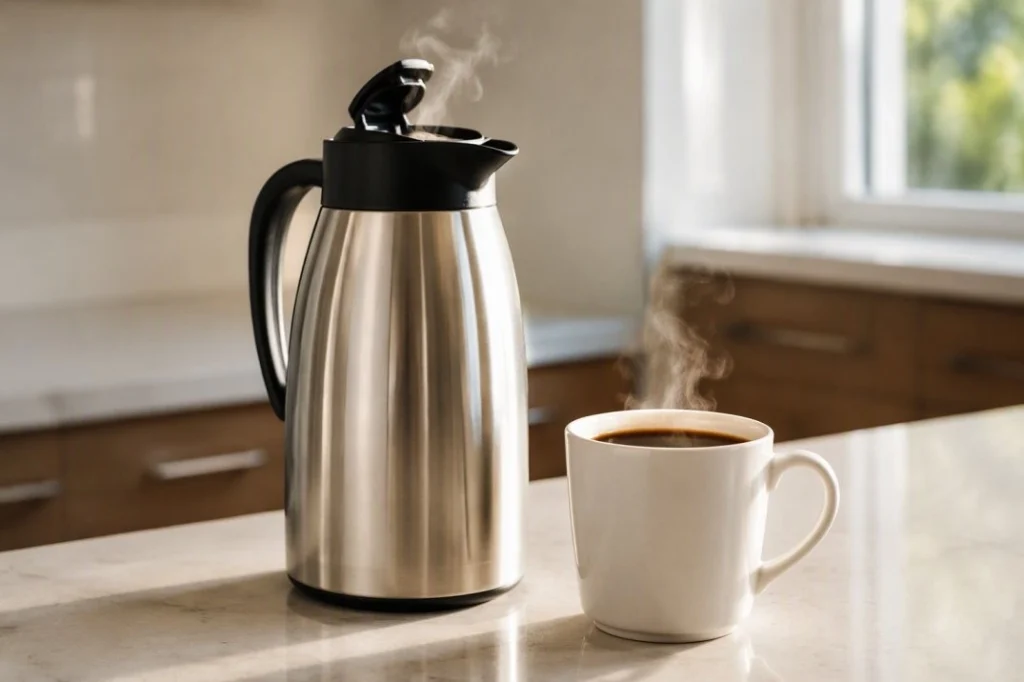
A thermal carafe takes a different path. It has no power source, so it simply traps the heat that was already in the coffee. A good vacuum-insulated carafe keeps coffee hot for a couple of hours without any help. That makes it the better choice if you brew a full pot and come back for a second or third cup later in the morning.
If you are wondering what the food service world uses, restaurant practice shows the top of the range. During the famous McDonald’s hot coffee case of the 1990s, the company’s own policy was to hold coffee between 180°F and 190°F for taste, a range that shows up in legal summaries of the case. That is roughly ten degrees hotter than a typical home drip pot, and it is the reason the case became a turning point for how restaurants handle hot beverages.
Guide lines for holding brewed coffee, like those used in culinary training programs, commonly land between 155°F and 175°F for coffee being held for an hour or less.
Does a Hotter Pot Make Better Coffee?
No, and this is where the question gets interesting. Hotter is not better. Correctly hot is better. Coffee brewed at 195°F to 205°F tastes balanced. Coffee brewed hotter than that tastes bitter and thin, because the water pulled out compounds the bean was never meant to give up.
That is also why reheating matters. Putting a cooled cup in the microwave for a minute does raise the temperature, but it can change the flavor and leave you with something that tastes burnt or bitter. The fix is to brew what you will drink, and pour the rest into an insulated carafe rather than cooking it twice.
So the goal is not the hottest possible pot. The goal is a pot that brews in the standard range, holds the coffee near 175°F, and gets poured into a mug you can actually enjoy.
How to Check Your Own Coffee Pot in About a Minute
If you want to know how hot your coffee pot really gets, test it. An instant-read kitchen thermometer costs very little and gives you an answer you can trust more than any general range.
- Brew a normal pot with your usual amount of coffee.
- Stir the coffee gently, then put the thermometer probe into the middle of the carafe. Read it right away.
- Check again thirty minutes later with the pot still on the warming plate.
- If you brew a second pot later, ask a simple question: does the coffee taste strong and balanced, or thin and sour? That usually tells you whether your machine is running cool.
Reading below 175°F right after brewing often means your machine brews cooler than the standard. Running two brew cycles back to back can help some machines, but do not chase bigger numbers. Chasing hotter coffee past 205°F is how you end up with a bitter pot.
5 Easy Ways to Keep Coffee in the Sweet Spot
- Preheat your mug with hot tap water, then dump it out. Coffee stays warm longer in a warm mug, and the first sip tastes hotter.
- Drink the first cup within about 30 minutes. That is when the flavor is at its best.
- Move leftover coffee into a thermal carafe instead of letting it sit on the warming plate.
- Turn the warming plate down or off if your machine has a heat setting. Many do.
- Wait 2-5 minutes before your first sip of a fresh, steaming cup. That brings coffee down toward the 130°F to 150°F zone without any work at all.
Frequently Asked Questions
How hot does a coffee pot get when it is brewing?
The water should be between 195°F and 205°F. That is the standard range for hot coffee. Home drip machines sometimes brew a little cooler, closer to 180°F.
How hot is the warming plate on a coffee maker?
Warming plates are usually set to hold coffee near 175°F. The plate surface and the bottom of the carafe are often hotter than the coffee itself, so use the handle.
Can a coffee pot burn you?
Yes. Fresh coffee is often 175°F to 190°F, and liquid at 155°F can cause a serious burn in about one second. That is why the carafe, the warming plate, and the steam all deserve respect.
Is 180°F coffee too hot to drink?
It is hotter than the 149°F line that health agencies flag as a very hot drink, and it is hotter than most people find comfortable. Give it a few minutes to cool.
What temperature is best for drinking coffee?
Most coffee lovers say the best-tasting cup is between 130°F and 150°F. It still feels warm, but you can sip it right away.
How hot does a percolator get?
A percolator pumps near-boiling water up a tube and showers it over the grounds again and again. The coffee comes out at the very top of the brewing range, and the metal pot gets hot enough that you always want the handle.
How long can coffee sit in a coffee pot?
For taste, drink it within about 30 minutes. A warming plate can keep it hot much longer and a thermal carafe can hold heat for a couple of hours, but the flavor is best early.
Do all coffee pots reach 200°F?
No. That is the ideal brew water range, not a promise. Many household drip makers run lower, and the coffee in the pot is usually cooler than the water that brewed it.
Is it safe to reheat coffee in the microwave?
It is safe, but it changes the taste. Microwaving already brewed coffee can make it taste bitter or burnt. If you want a hot cup later, pour it into a thermal carafe while it is fresh.
How We Test and Check Coffee Pot Temperatures
Anyone can print a temperature range on a page. Here is the exact method behind the numbers in this guide, and it is the same test you can run on your own counter in about fifteen minutes. An instant-read kitchen thermometer costs very little and tells you more about your machine than any general range ever will.
What We Measure
- The brew water temperature as it leaves the brew basket
- The coffee temperature in the carafe right after brewing, then again at 30 and 60 minutes.
- The surface temperature of the warming plate.
- The temperature inside a normal mug right before drink.
The Tools We Use
- An instant-read digital thermometer with a thin probe and accuracy of about plus or minus 1°F.
- An infrared thermometer for the flat warming plate, because it reads a surface without touching it.
- A phone timer or a stopwatch.
- The coffee maker set up exactly as you use it, with your usual coffee and water amounts.
- A notebook, or the worksheet included at the end of this section.
The 7 steps
- Step 1. Run one full brew cycle. Do not change your normal coffee-to-water ratio, because that ratio is part of what you are testing.
- Step 2. The moment the cycle ends, stir the carafe gently. Coffee separates by temperature, so the top can read hotter than the middle.
- Step 3. Place the probe in the center of the carafe, away from the glass, and wait until the number stops moving. Then record it.
- Step 4. Put the pot back on the warming plate and take the same reading at thirty and at sixty minutes.
- Step 5. Lift the carafe and aim the infrared thermometer at the center of the empty plate. Fire it once at the air to warm the sensor, then read the plate.
- Step 6. Pour a normal cup and take the temperature in the mug right before your first sip.
- Step 7. Repeat the whole test on a second day. Two runs keep one cold kitchen or one long warm-up cycle from skewing your results.
Our Test Worksheet
This is the same layout we use to record readings. Copy it into a notebook or a phone note, fill in your own numbers, and you will know exactly how hot your coffee pot gets.
| Run | Coffee maker and carafe | Brew water | Carafe at 0 min | 30 min | 60 min | Plate surface |
| Run 1 | — | — | — | — | — | — |
| Run 2 | — | — | — | — | — | — |
Bottom Line
So, how hot does a coffee pot get? The brewing water runs 195°F to 205°F. The coffee in the pot usually settles around 175°F to 190°F. The warming plate holds it near 175°F, and commercial urns push toward 180°F to 190°F. For drinking, your best cup sits between 130°F and 150°F, well under the 149°F line that health experts flag as too hot.
Take one useful thing from all of this: a coffee pot is hotter than you think, and it stays hotter longer than you think. Test your own machine once with a thermometer. Serve yourself a cup that is warm, not scalding. And keep the pot, the cord, and the warming plate away from small hands and pets.
Do that, and every cup you pour will be the temperature it was always meant to be.
Related Article : Can You Put Hot Coffee in a Glass Cup?